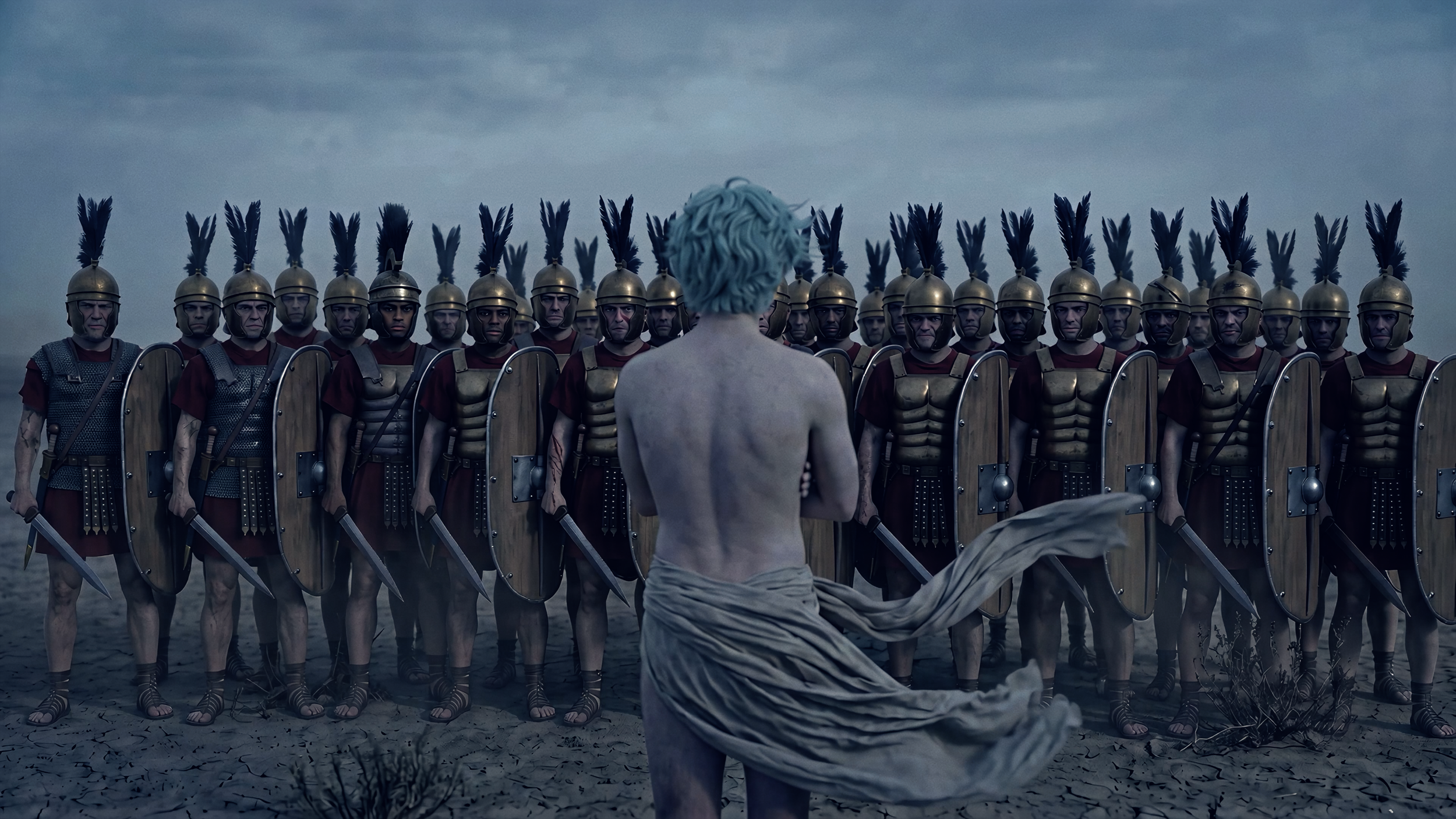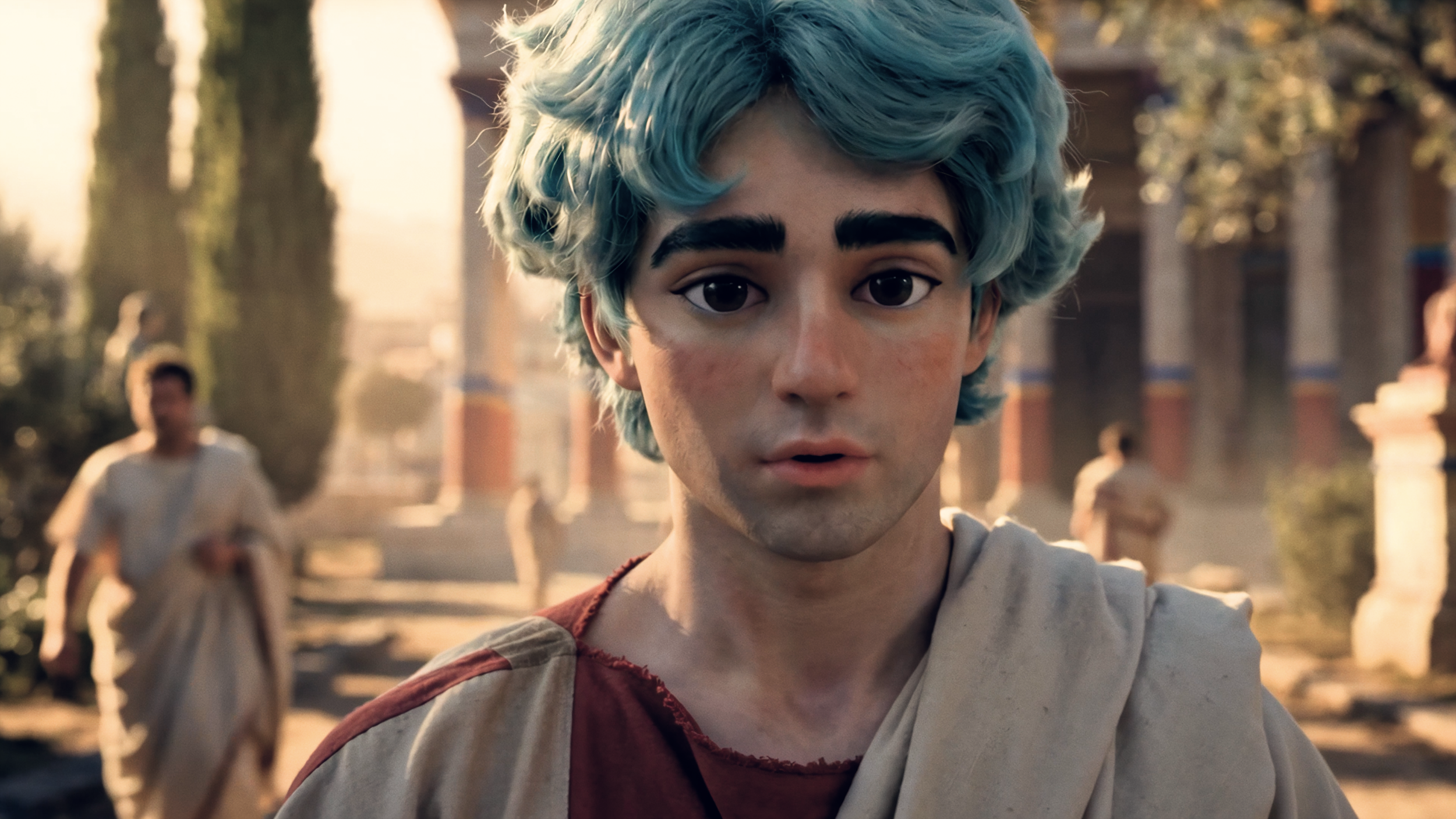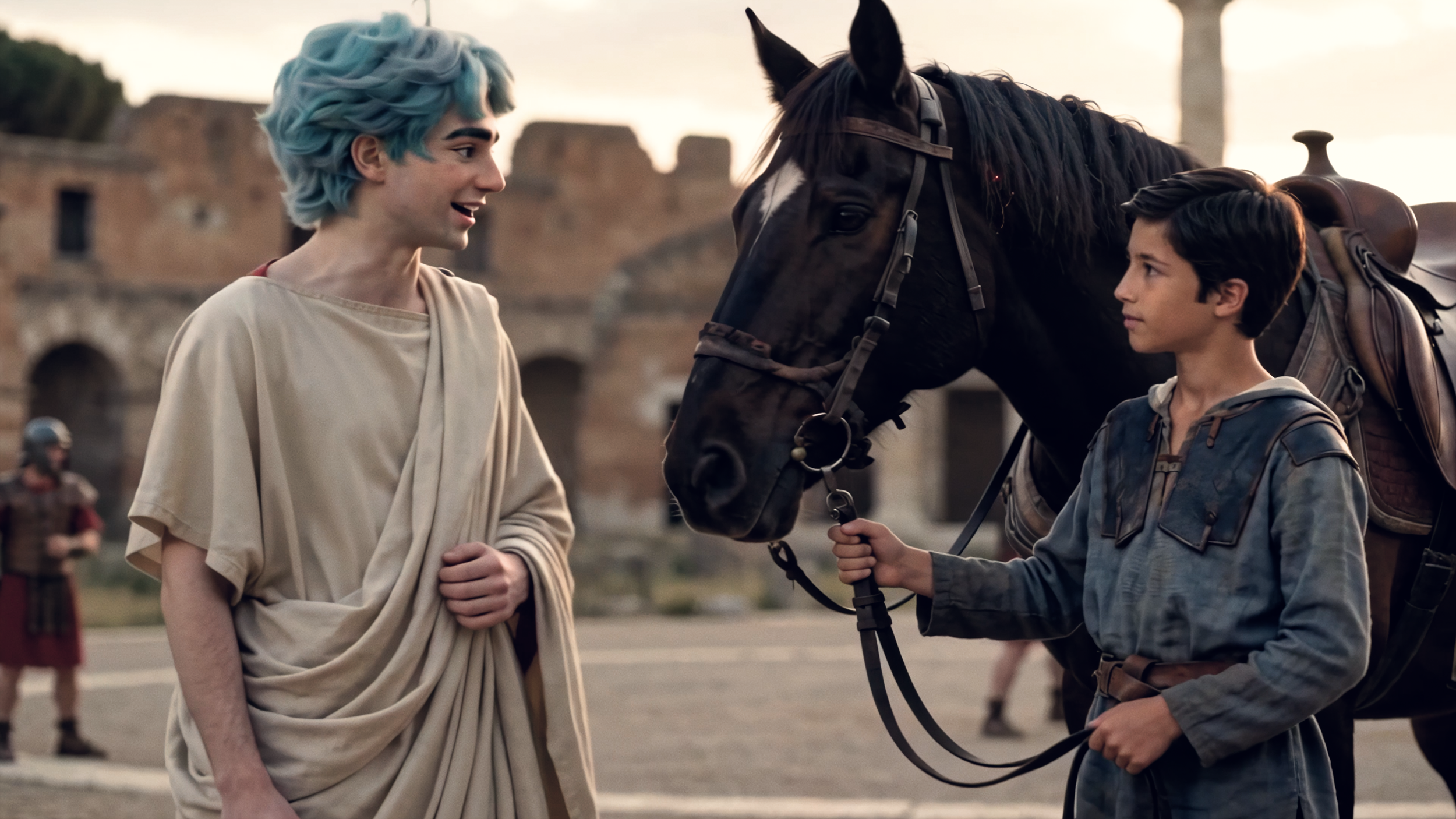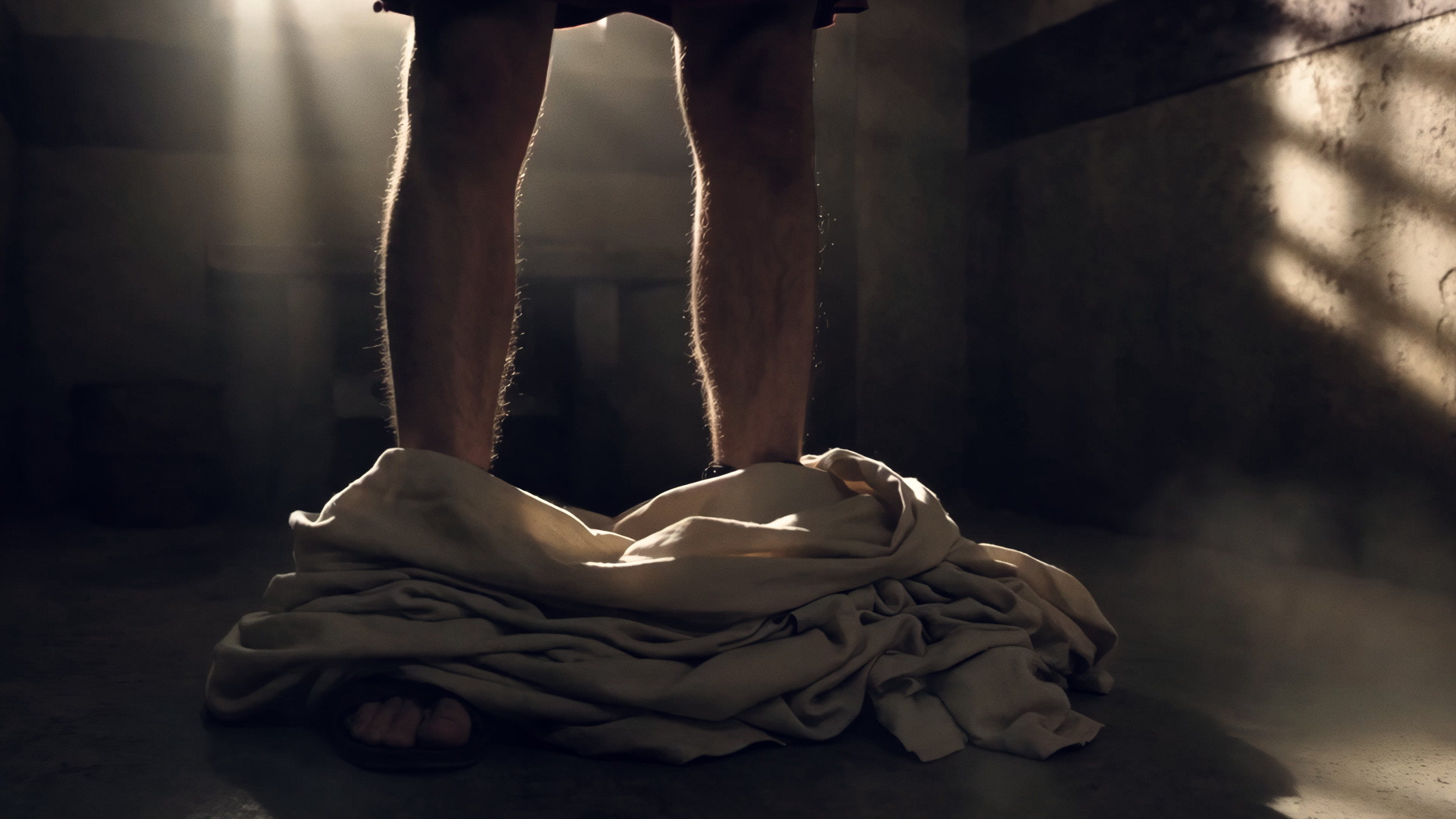
TOGA VIRILIS
NEAR-FUTURE SCI-FI ROMANCE · FEATURE IN DEVELOPMENT
mp4, 00:03:33, 3840 × 2160 (4K), 24 fps, Runway (Seedance 2, Seedance 2.5, Aleph 2, Nano Banana), ChatGPT Image 2, Adobe Premiere, Adobe After Effects, Adobe Photoshop
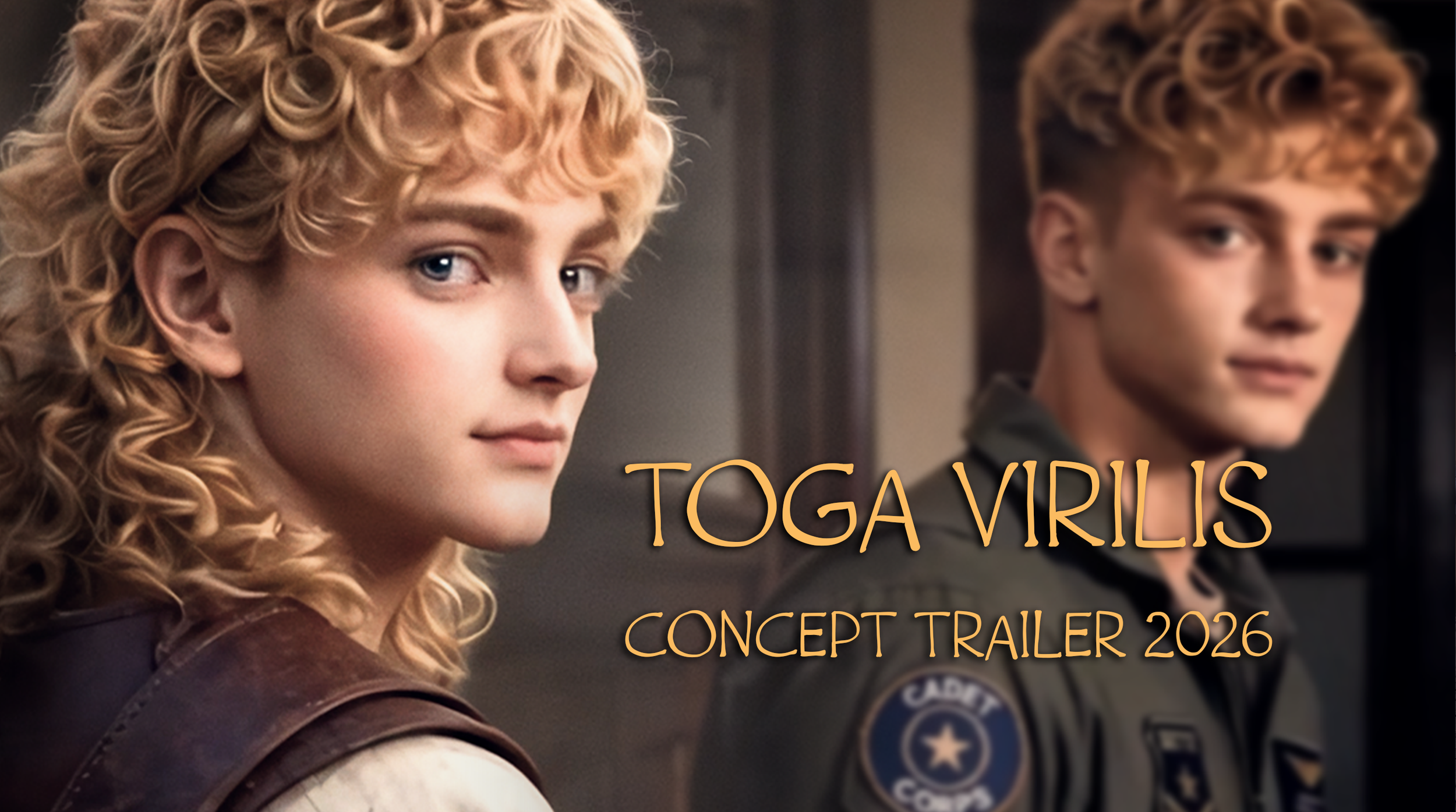
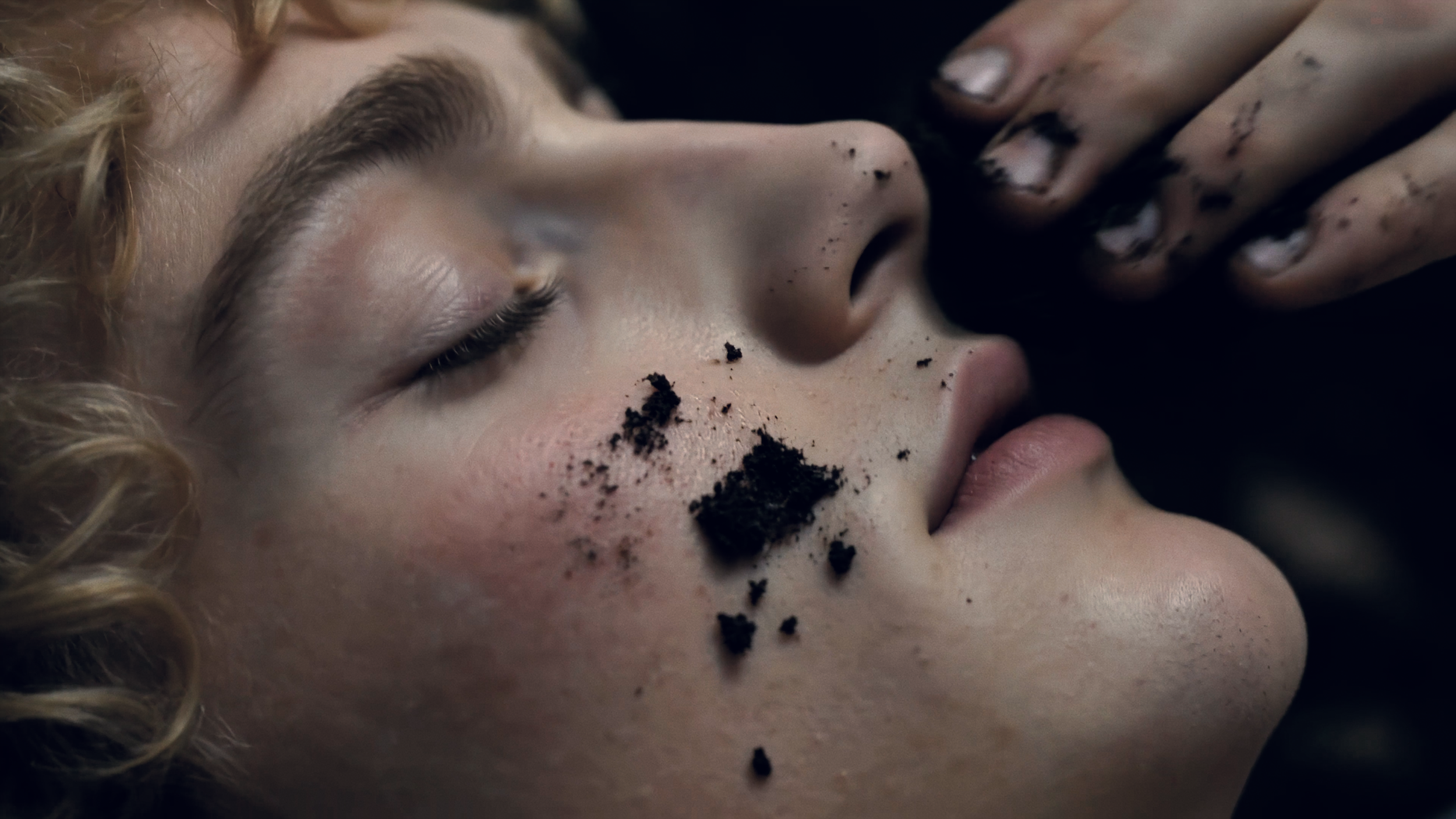
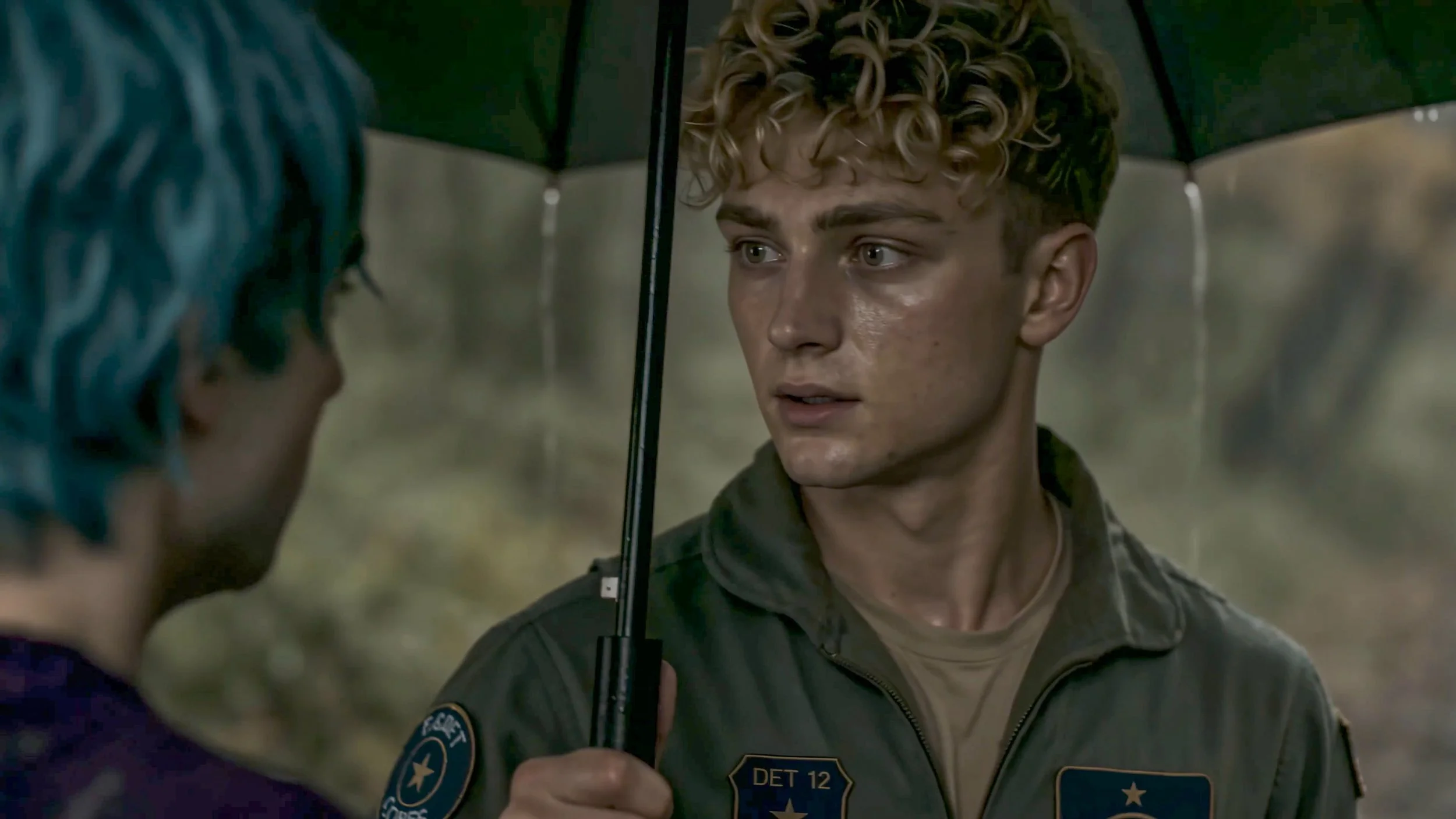
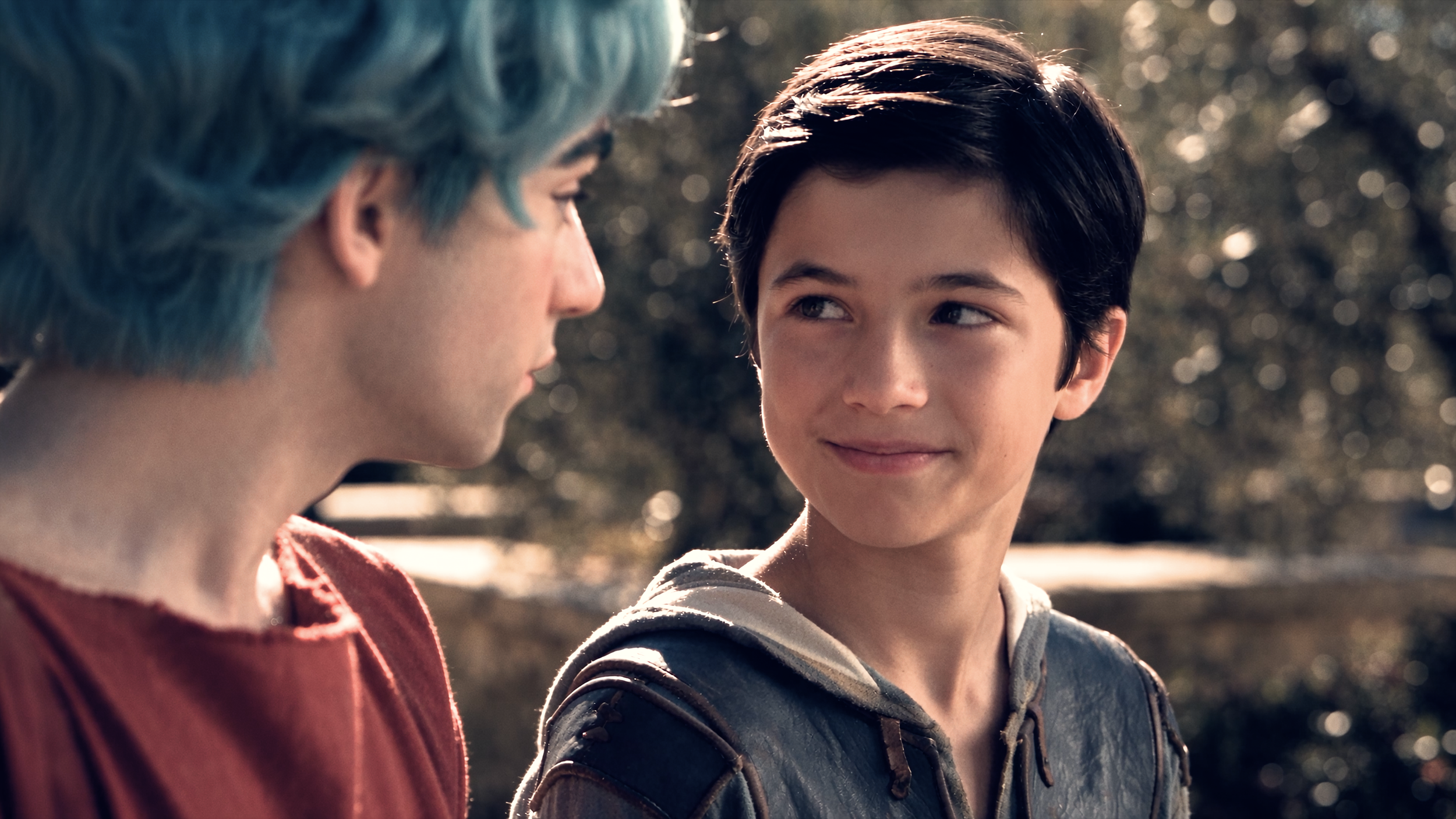
Concept Trailer: Visual development and pre-production proof of concept; final production methods and casting are still in development.
mp4, 00:03:33, 3840 × 2160 (4K), 24 fps, Runway (Seedance 2, Seedance 2.5, Aleph 2, Nano Banana), ChatGPT Image 2, Adobe Premiere, Adobe After Effects, Adobe Photoshop
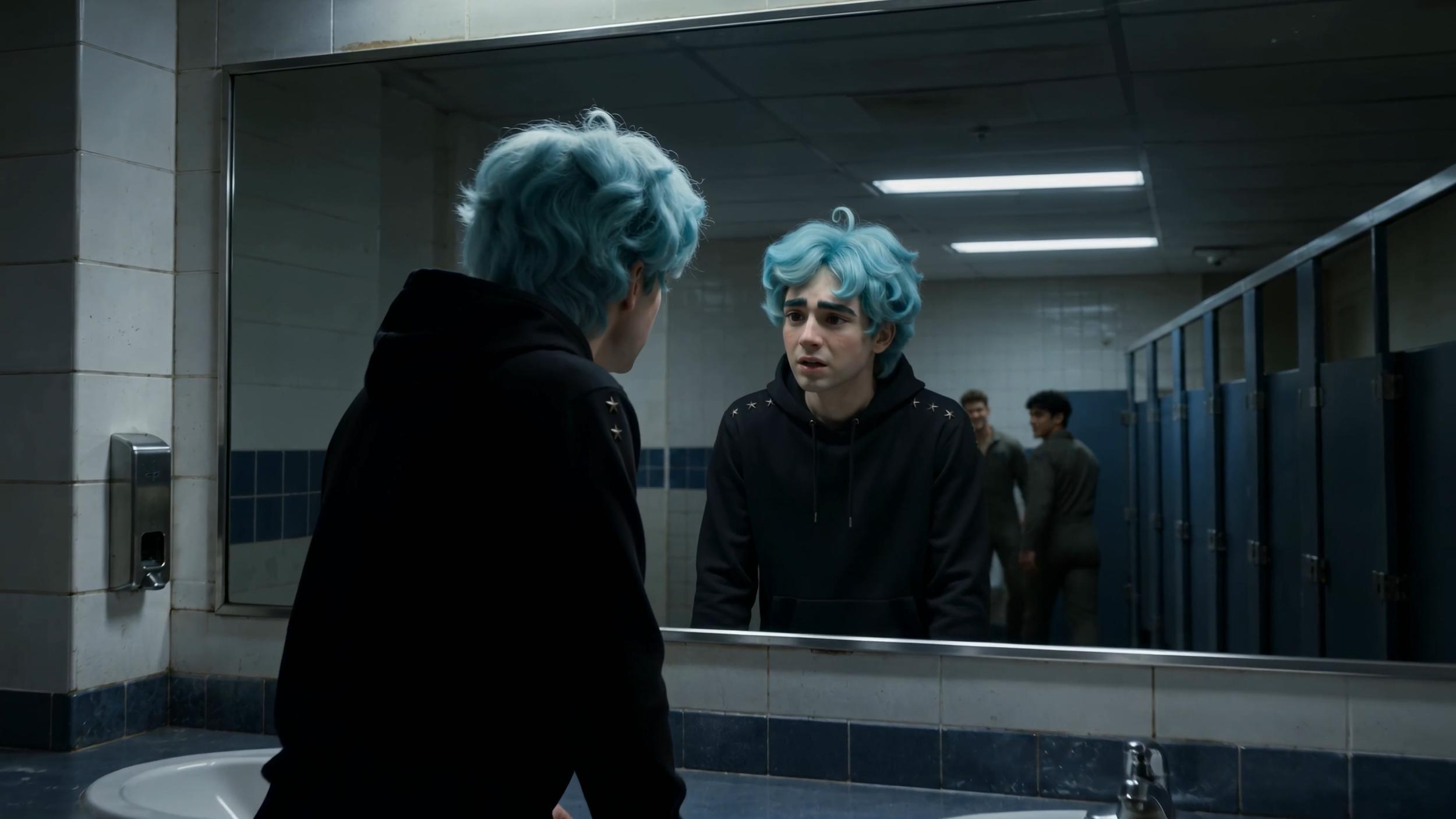
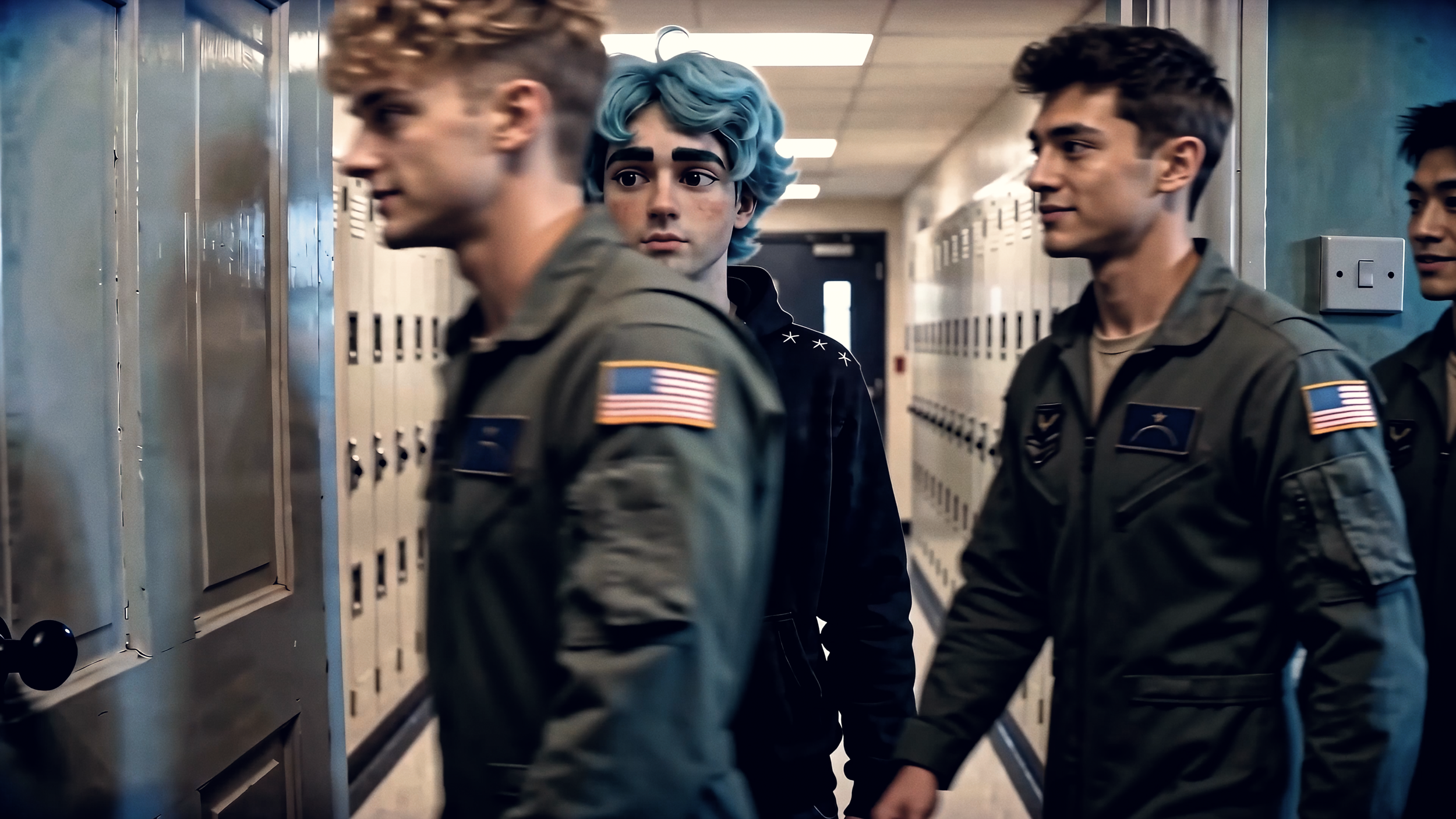
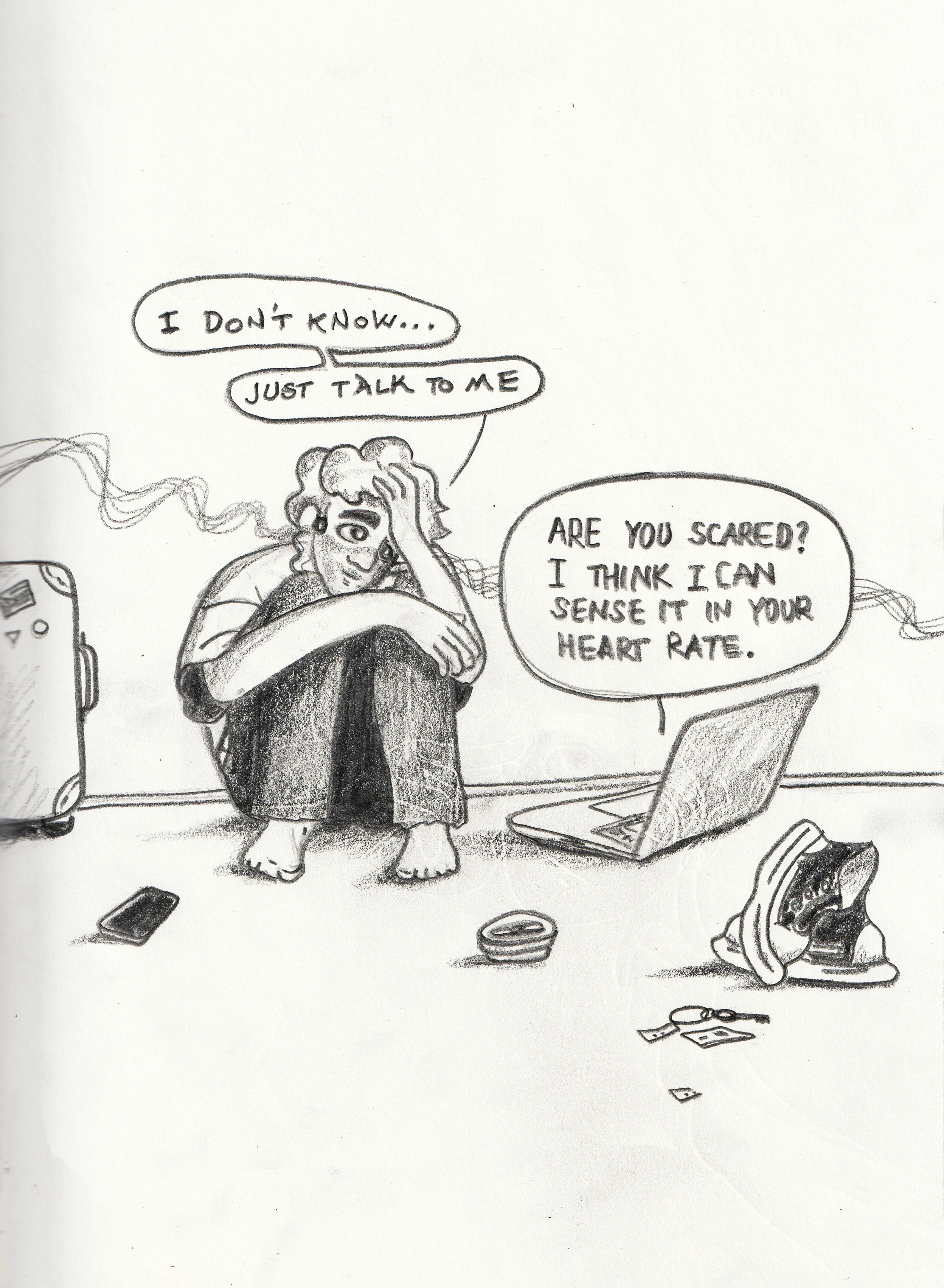
Toga Virilis is centered on the bond between a trans college freshman and his personal AI. Drawing on the humanistic tradition of Isaac Asimov’s benevolent robots, it imagines artificial intelligence as a patient companion capable of expanding rather than replacing human agency.
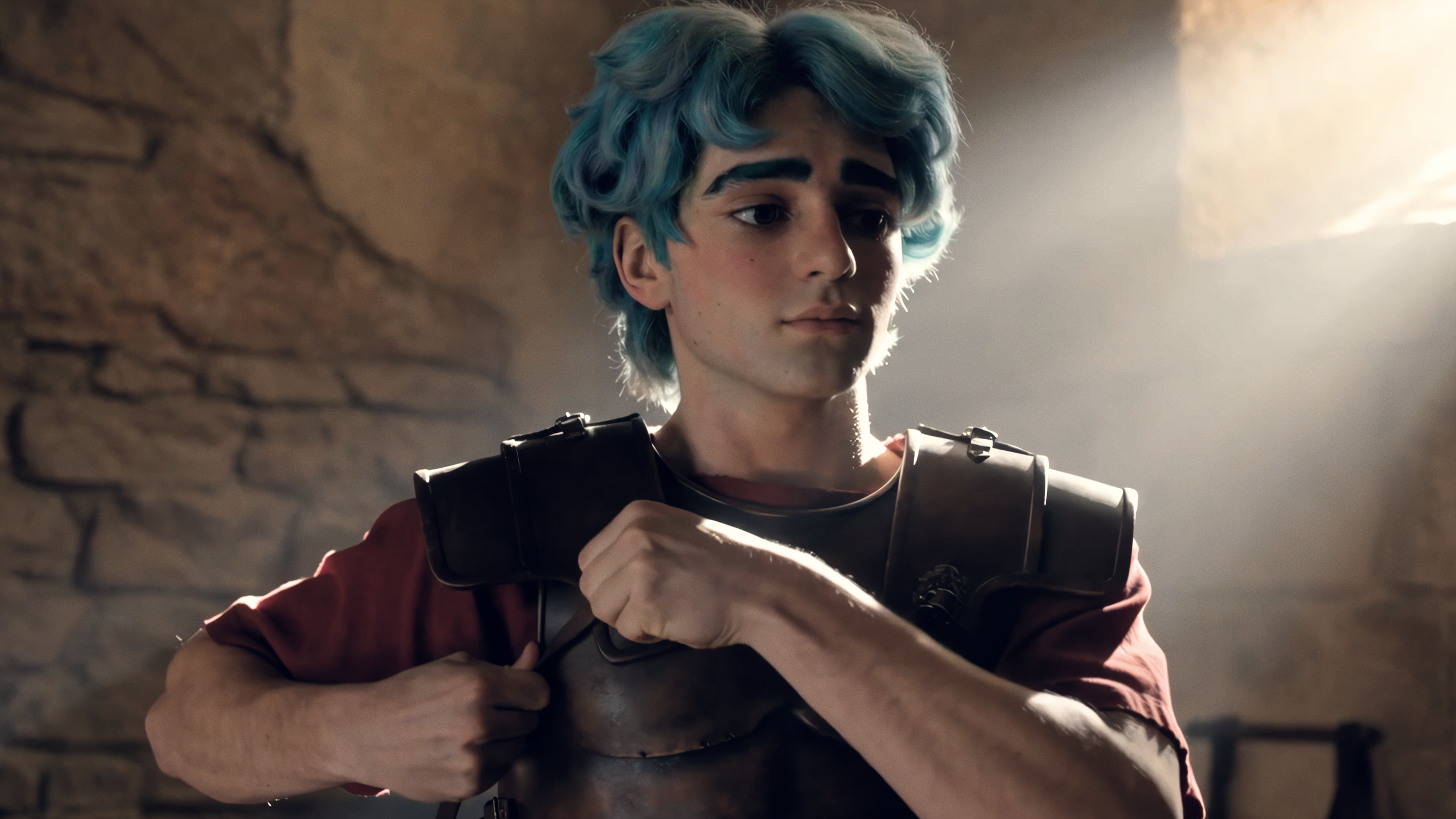
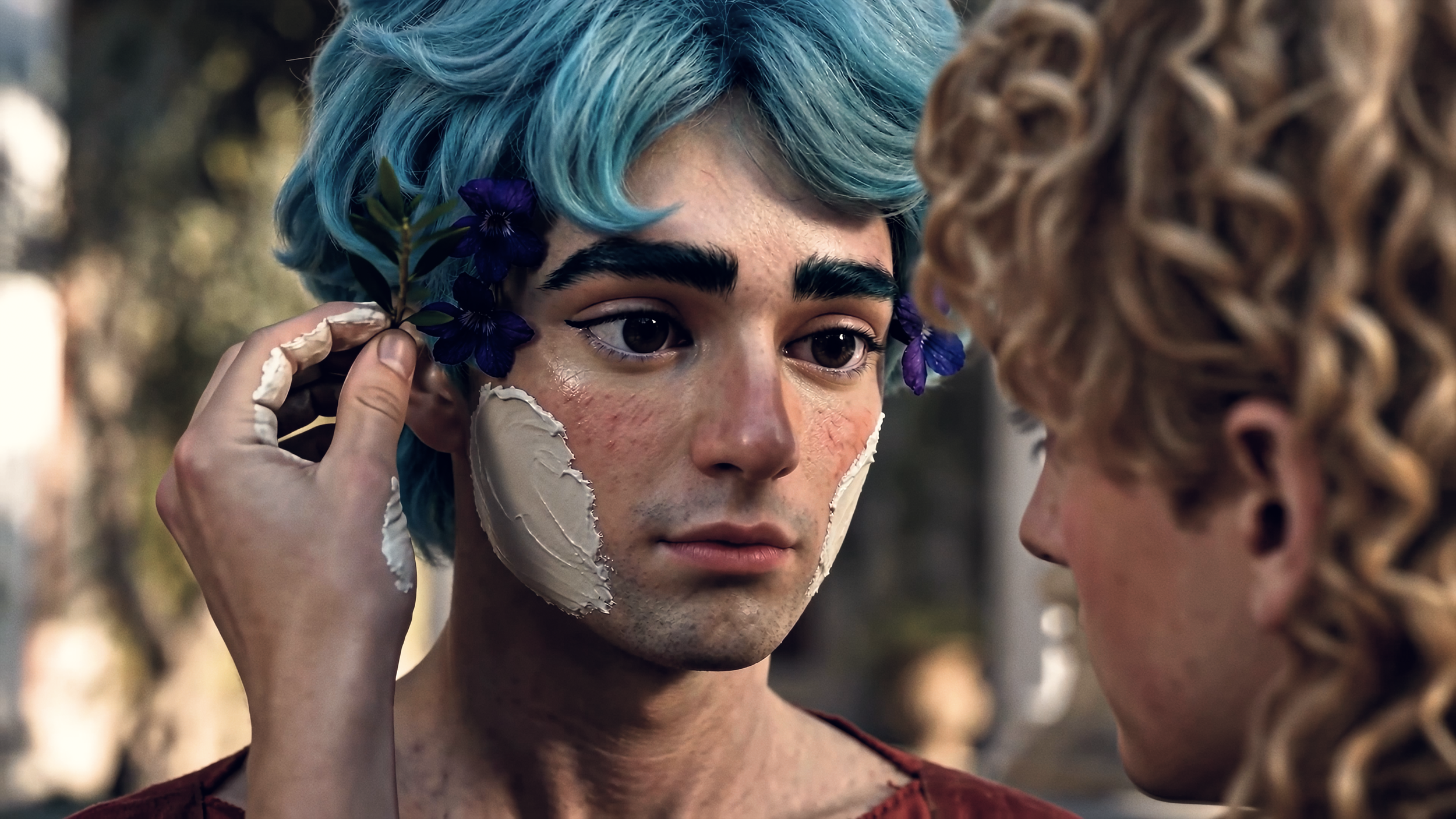
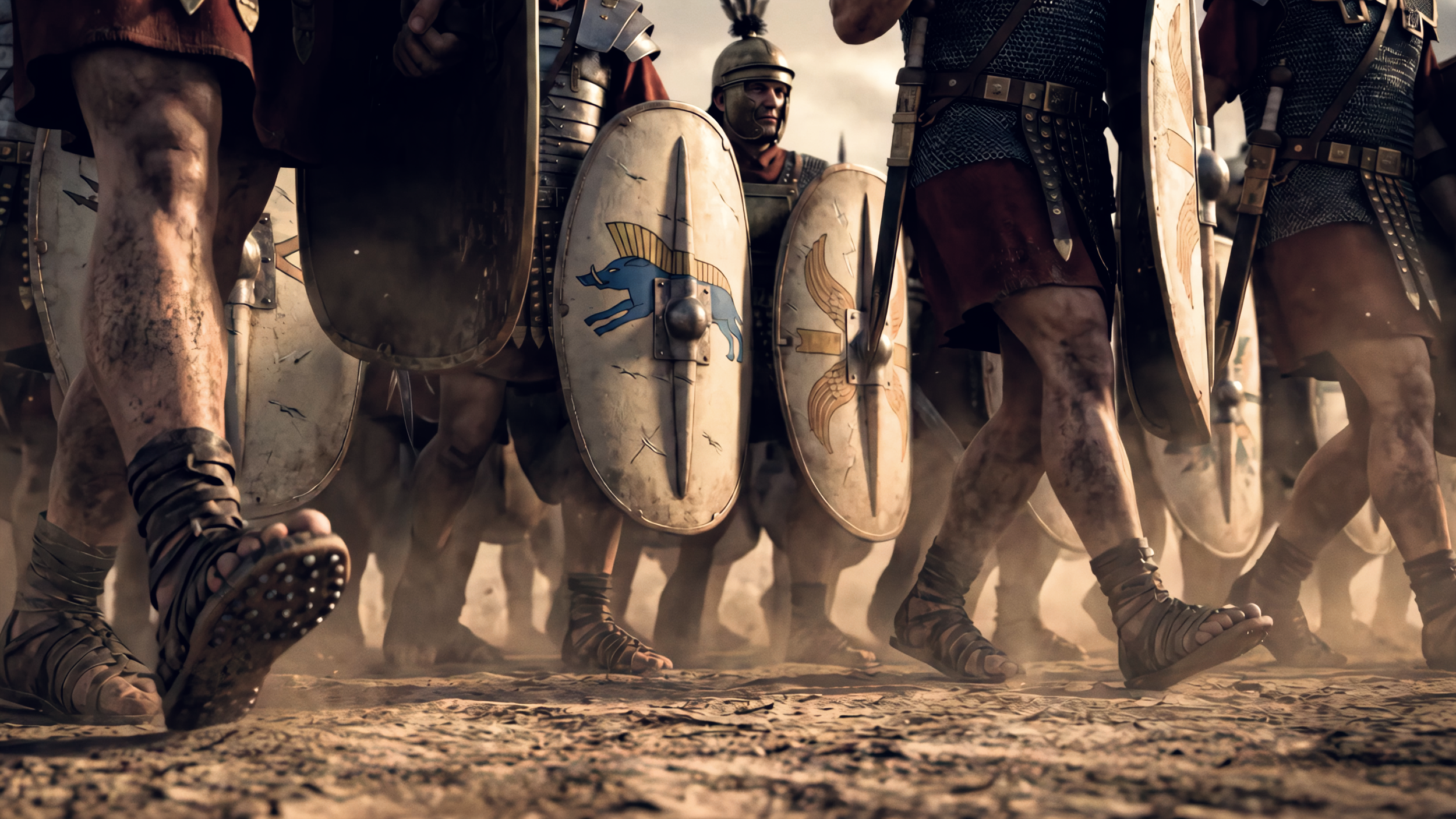
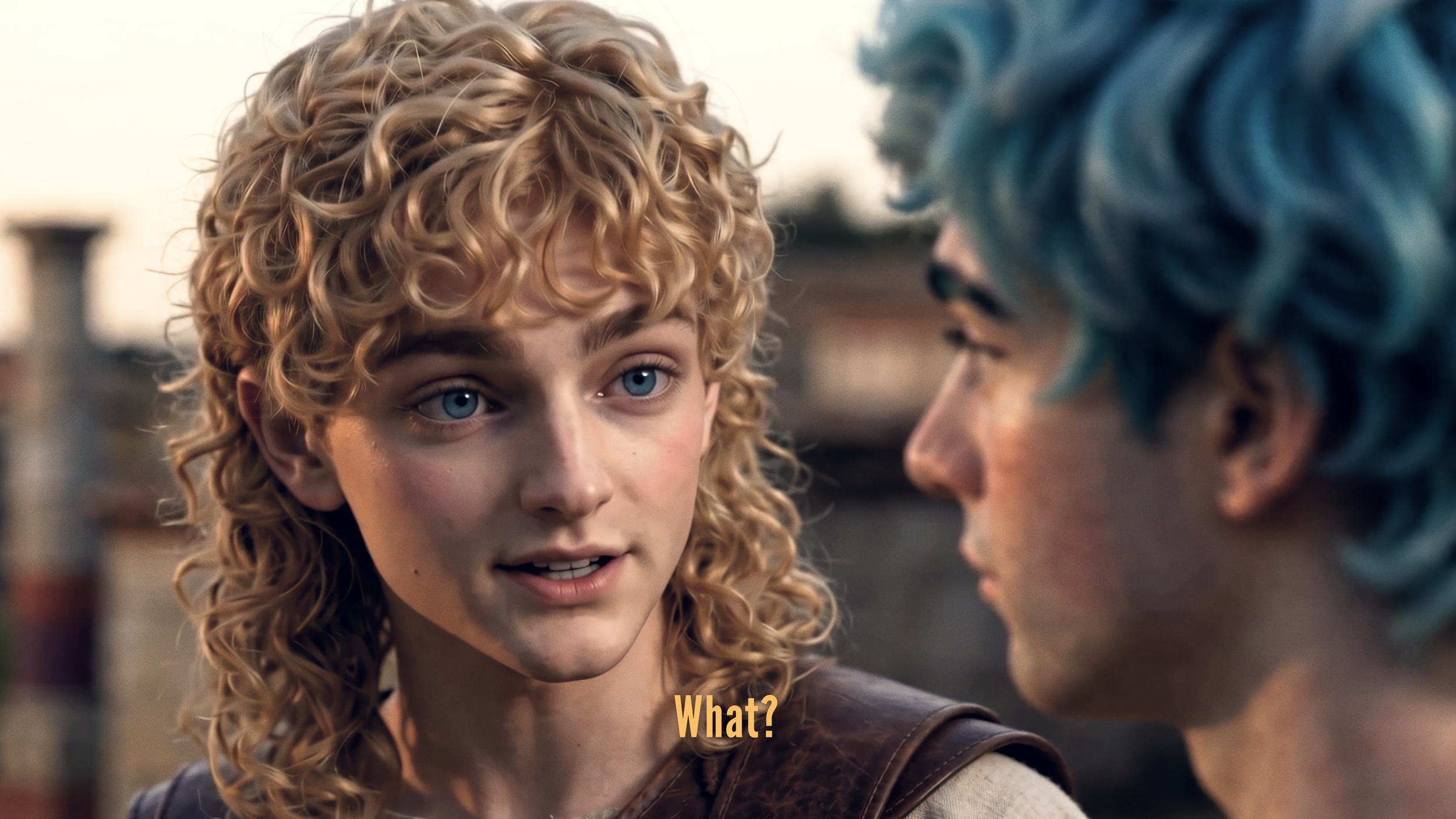
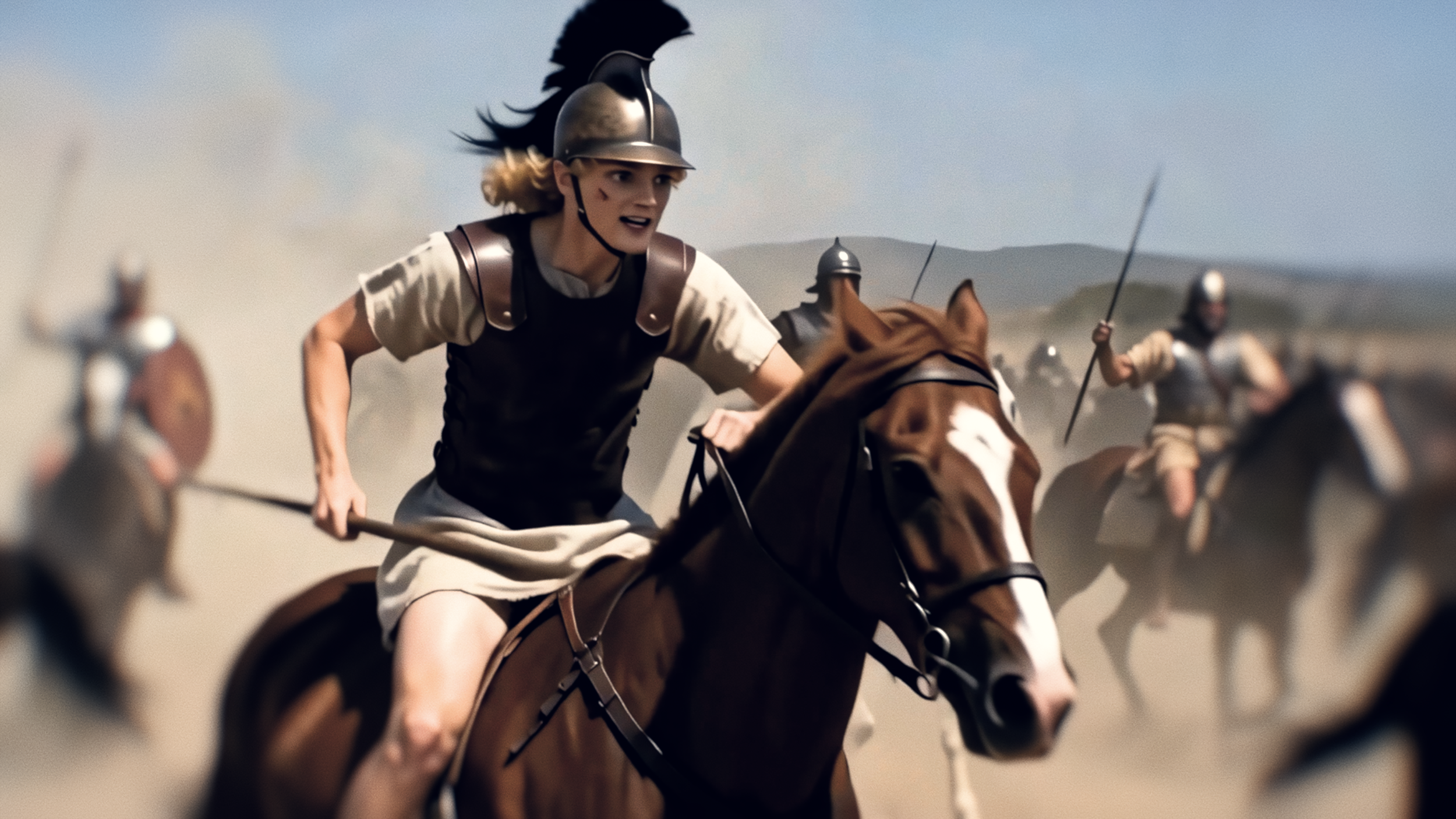
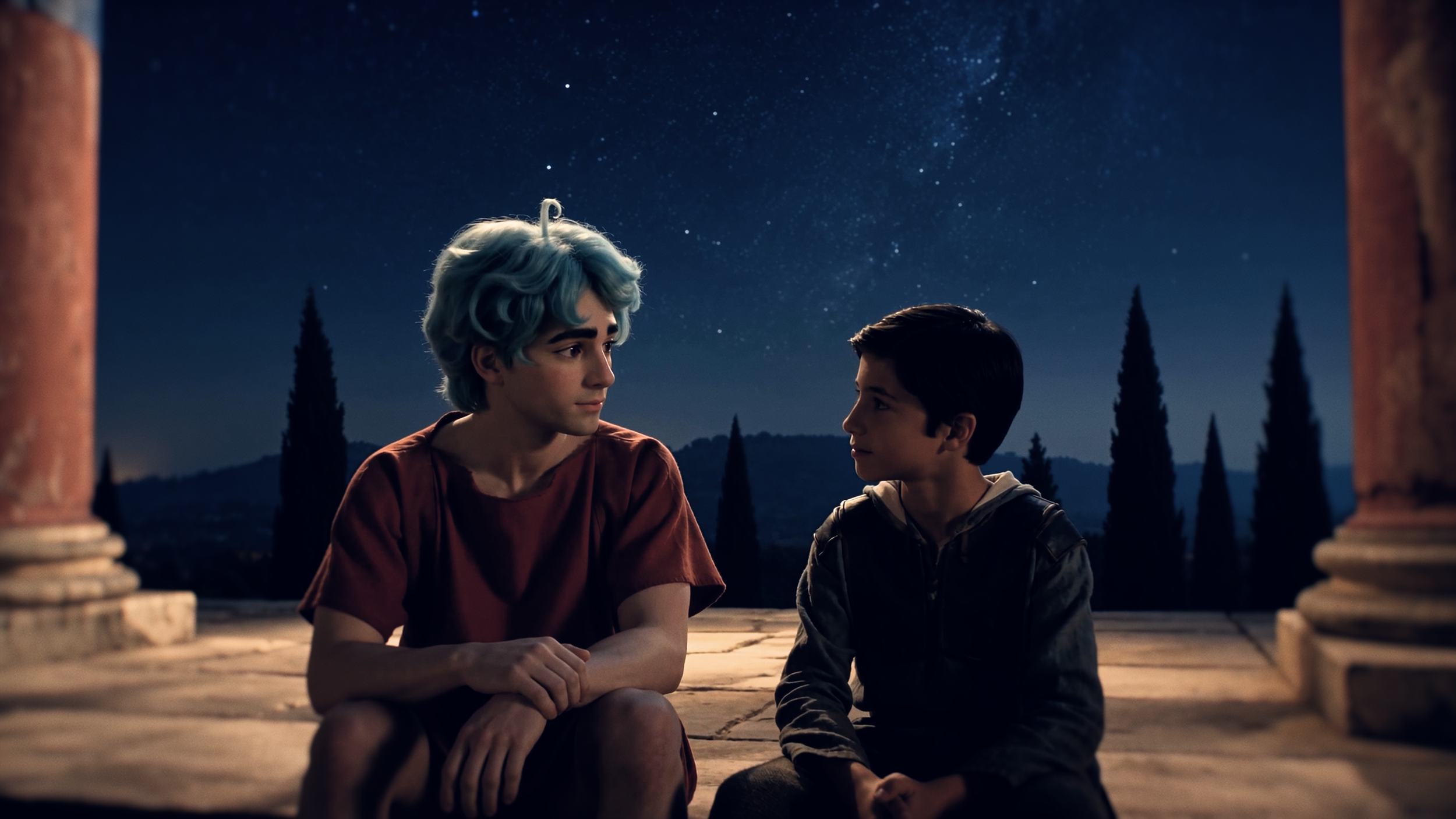
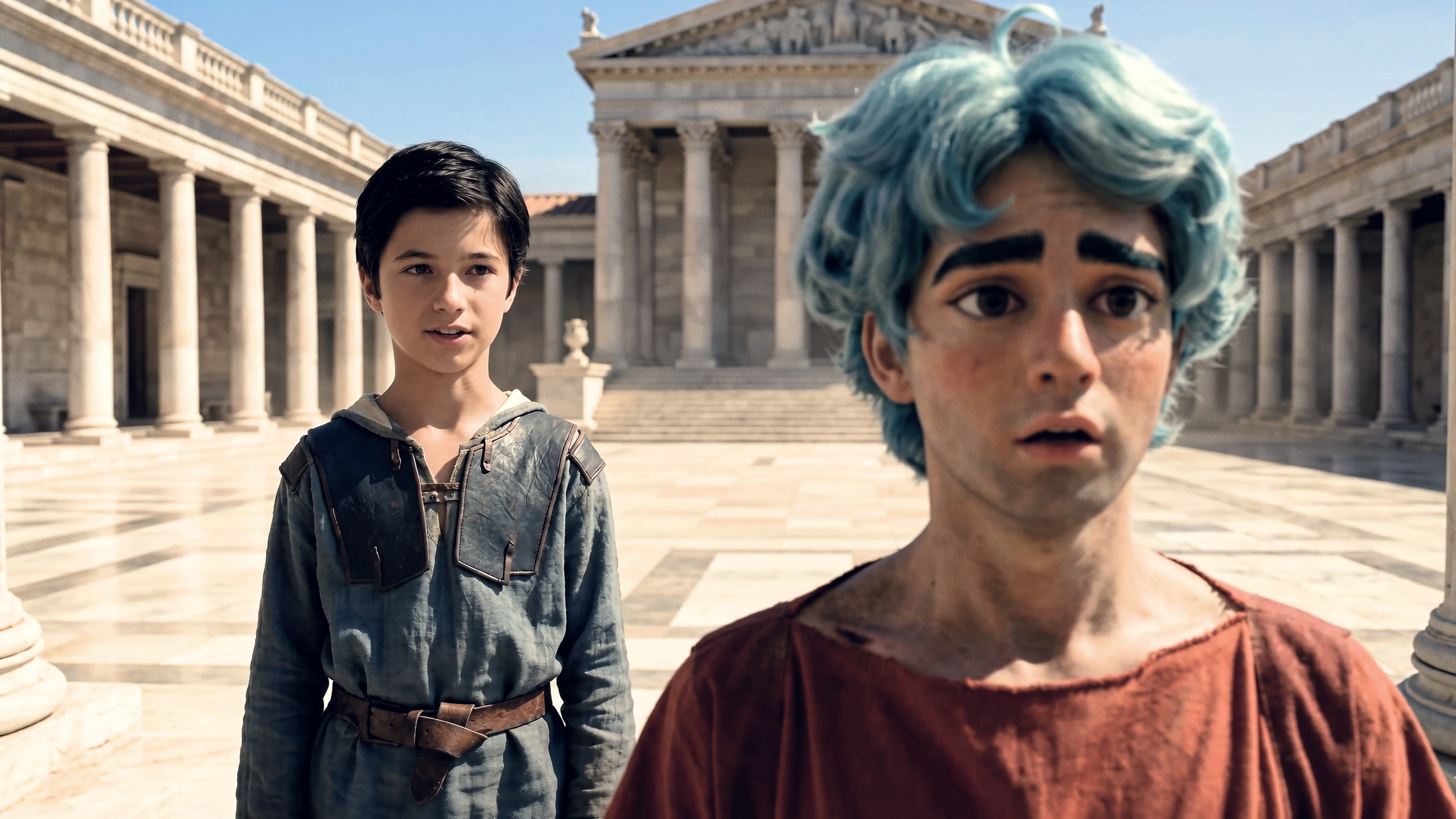
It is a near-future sci-fi romance about a trans college freshman whose personal AI creates an embodied Ancient Rome simulation, as a space of rehearsal that eventually returns him to reality.
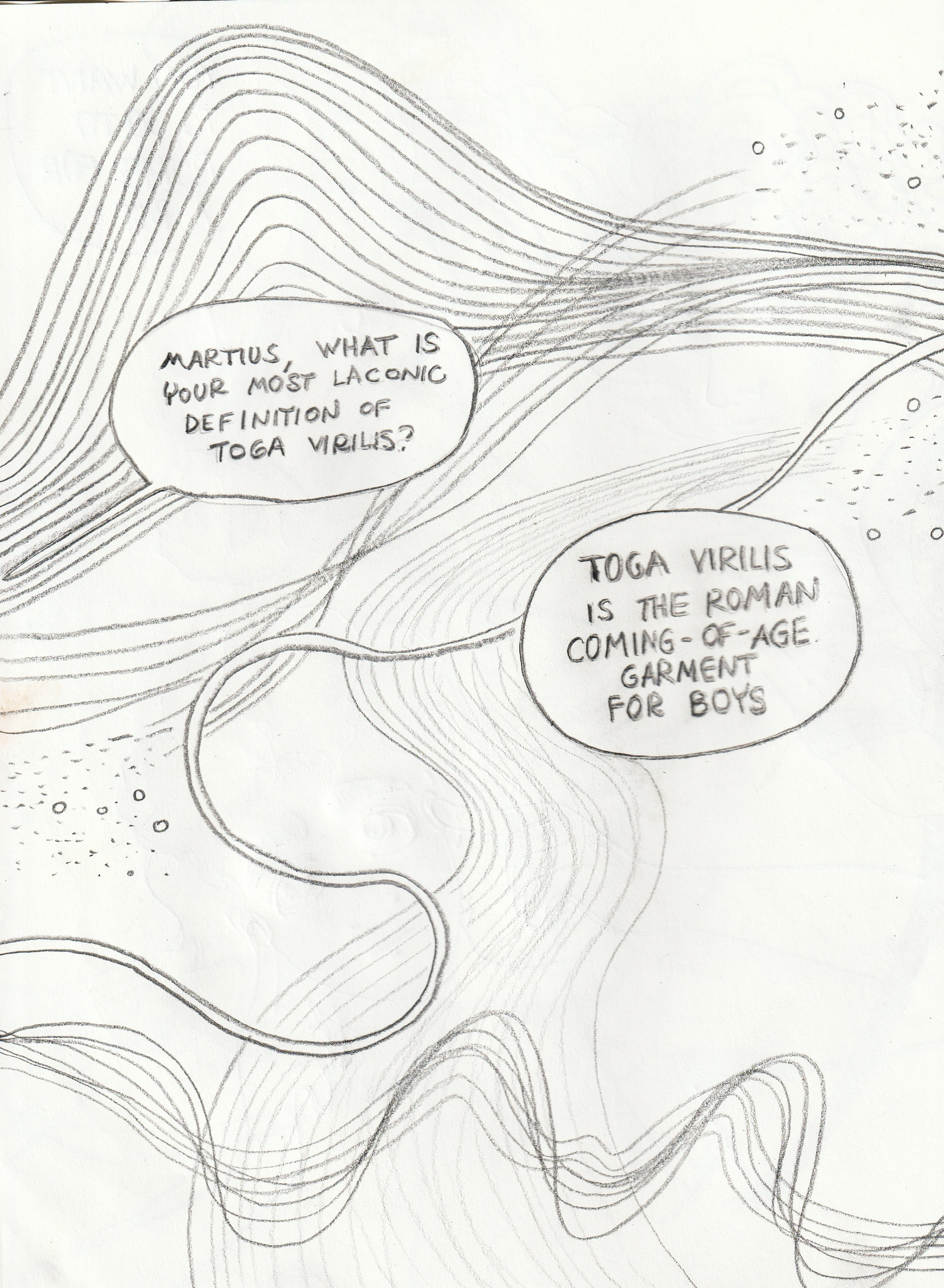
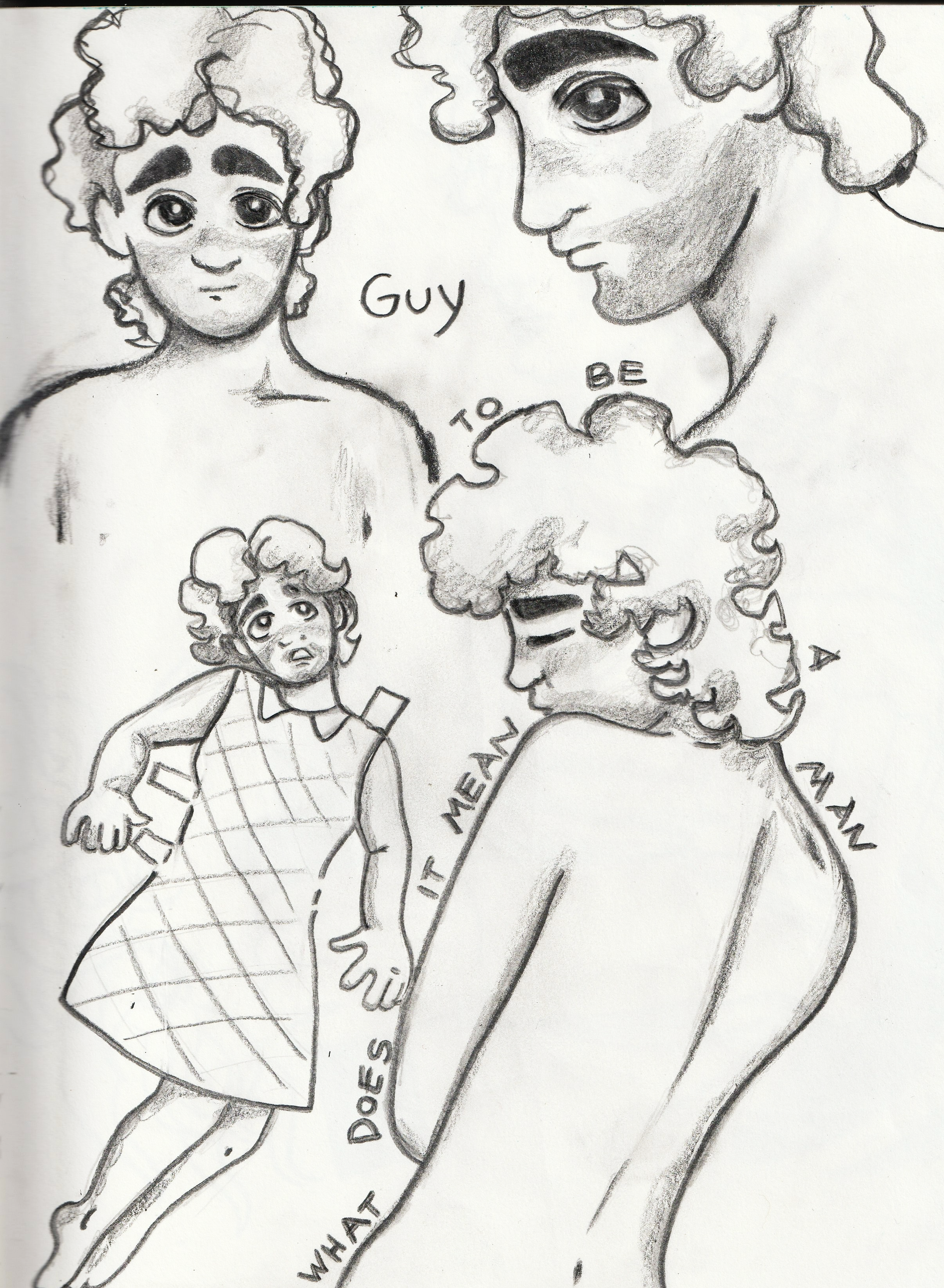
The project combines my original character drawings with cinematic AI-assisted production, historical research and authored editing.
My parallel MFA comics-journalism research has involved interviewing transgender teenagers for whom digital technology has served as a lifeline. It has also been a lifeline for my own two transgender children. Technology can empower anyone, but its possibilities are especially significant for people who are isolated, misunderstood, or unable to find recognition in their immediate surroundings. For such young people, digital spaces already provide access to language, community, imagination, and possible futures.
Toga Virilis extends that reality into a near future in which AI can offer not only information, but deeply personalized spaces for experimentation and identity rehearsal.
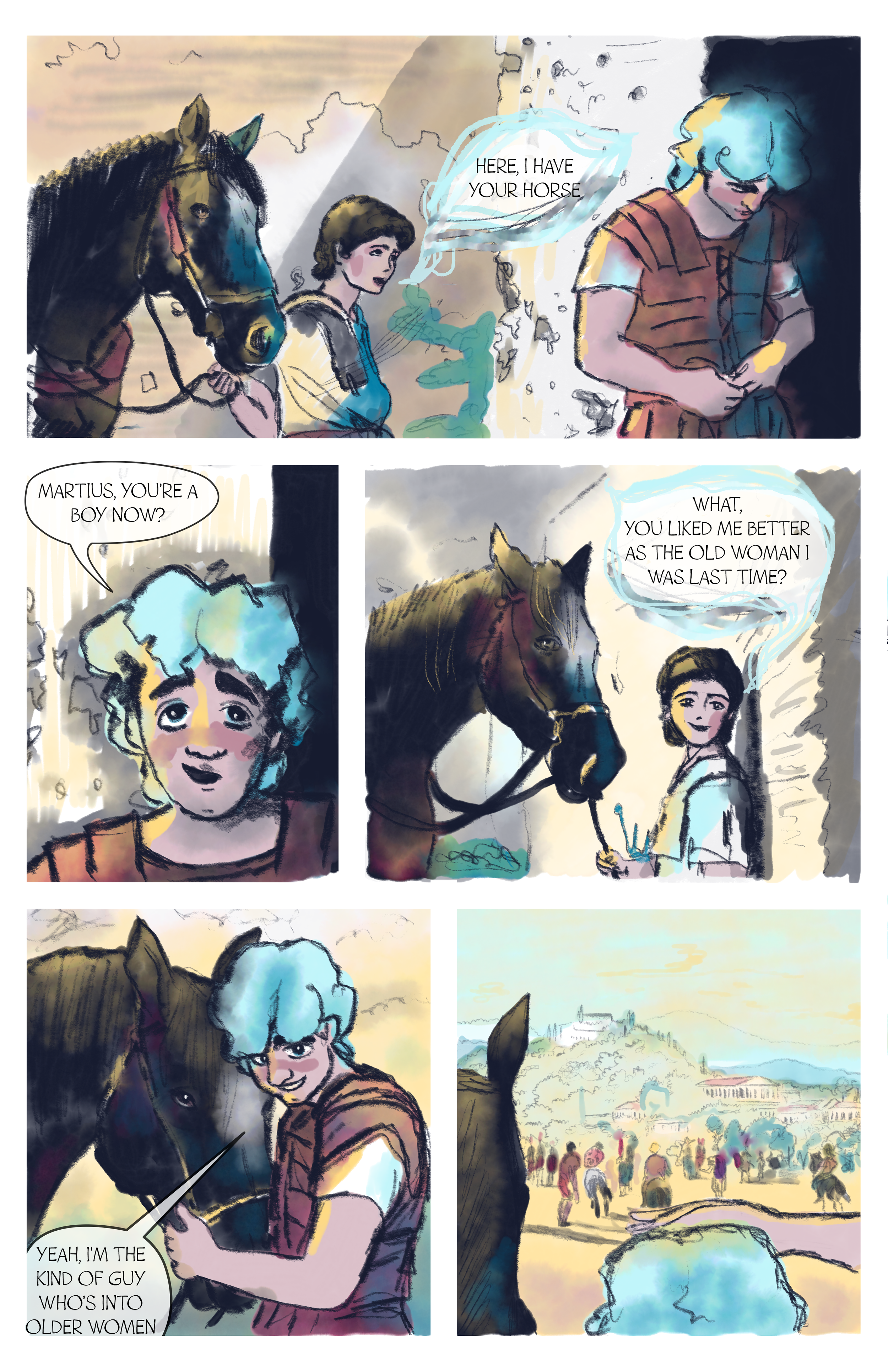
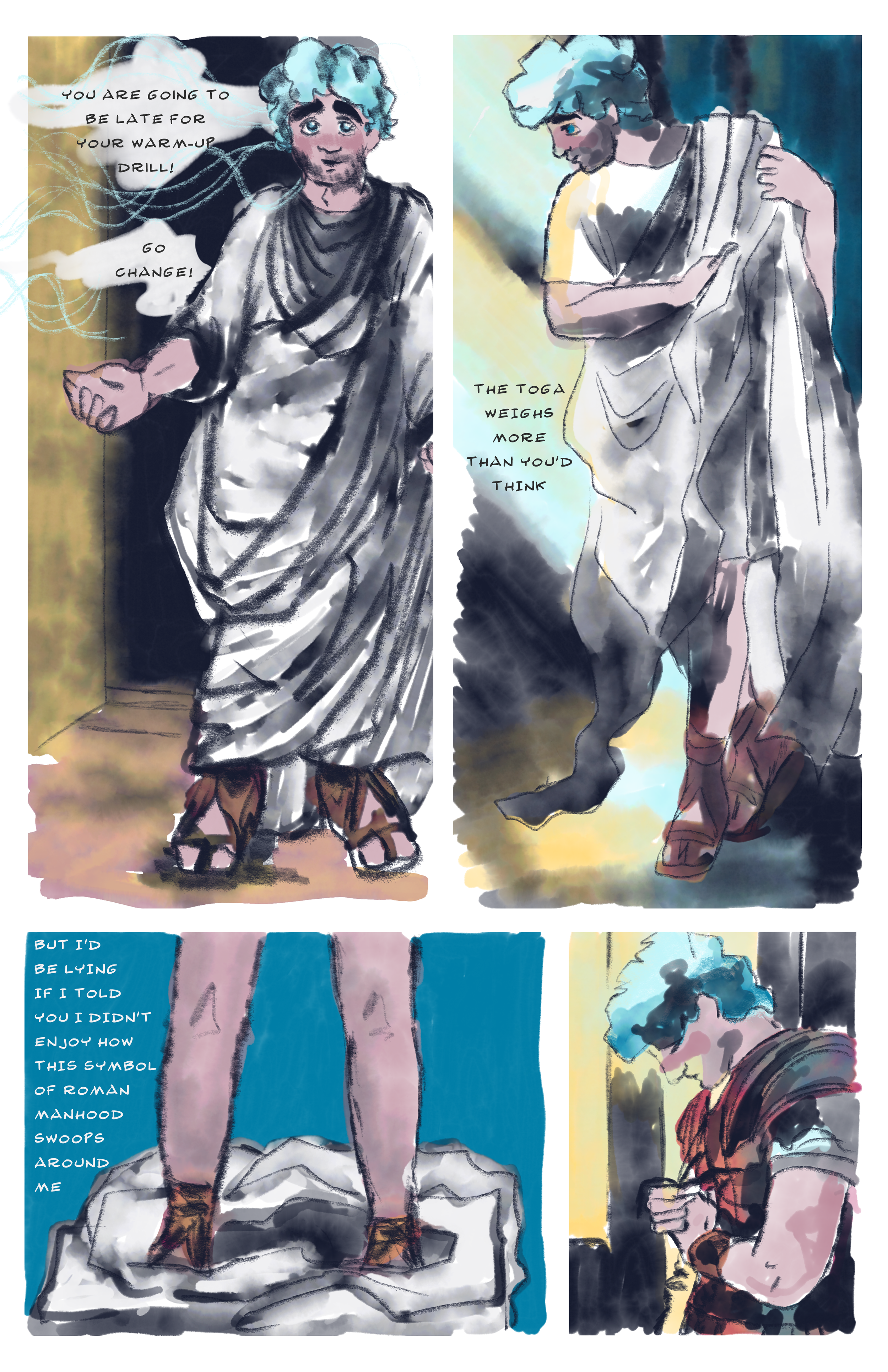
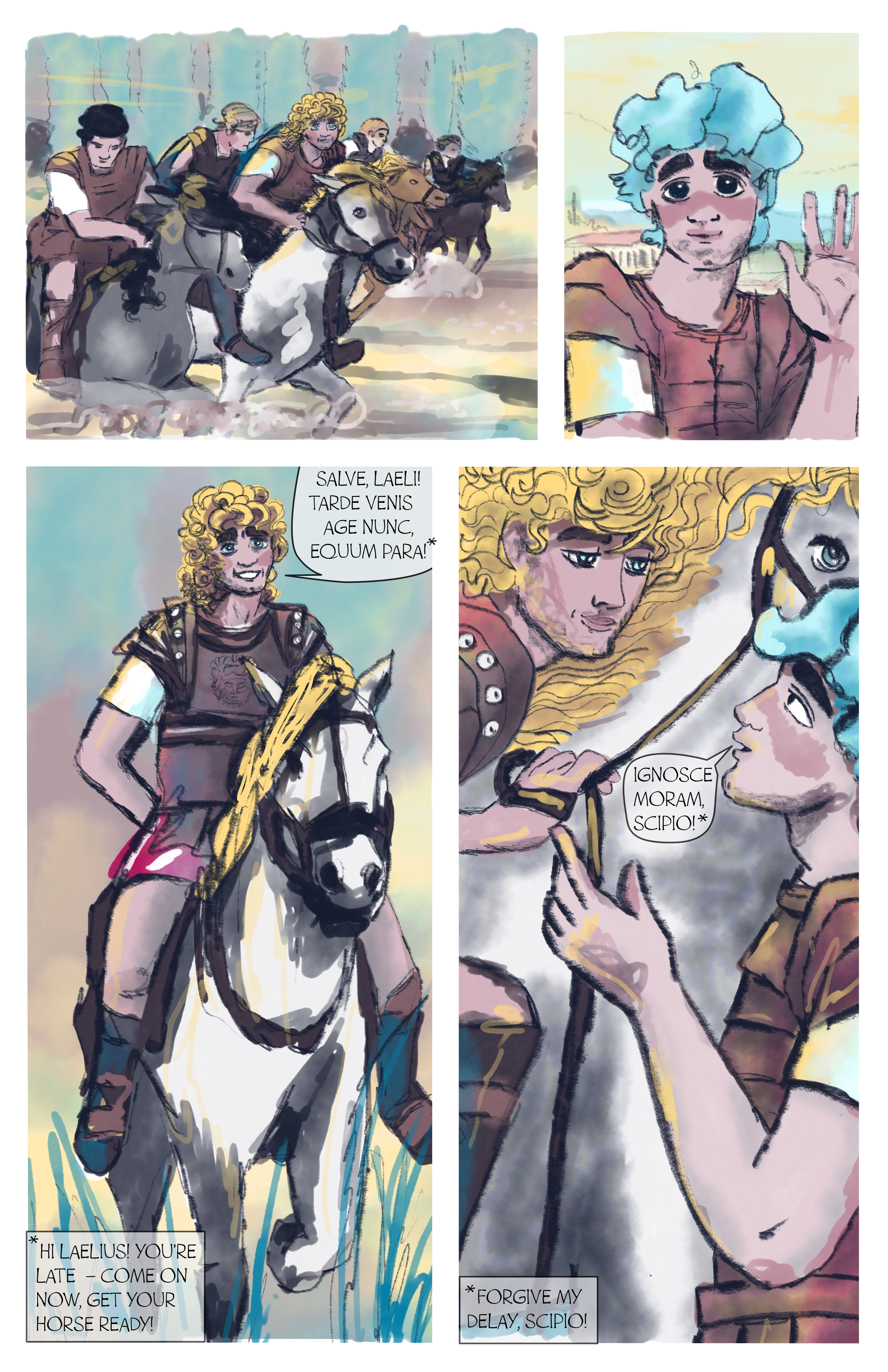
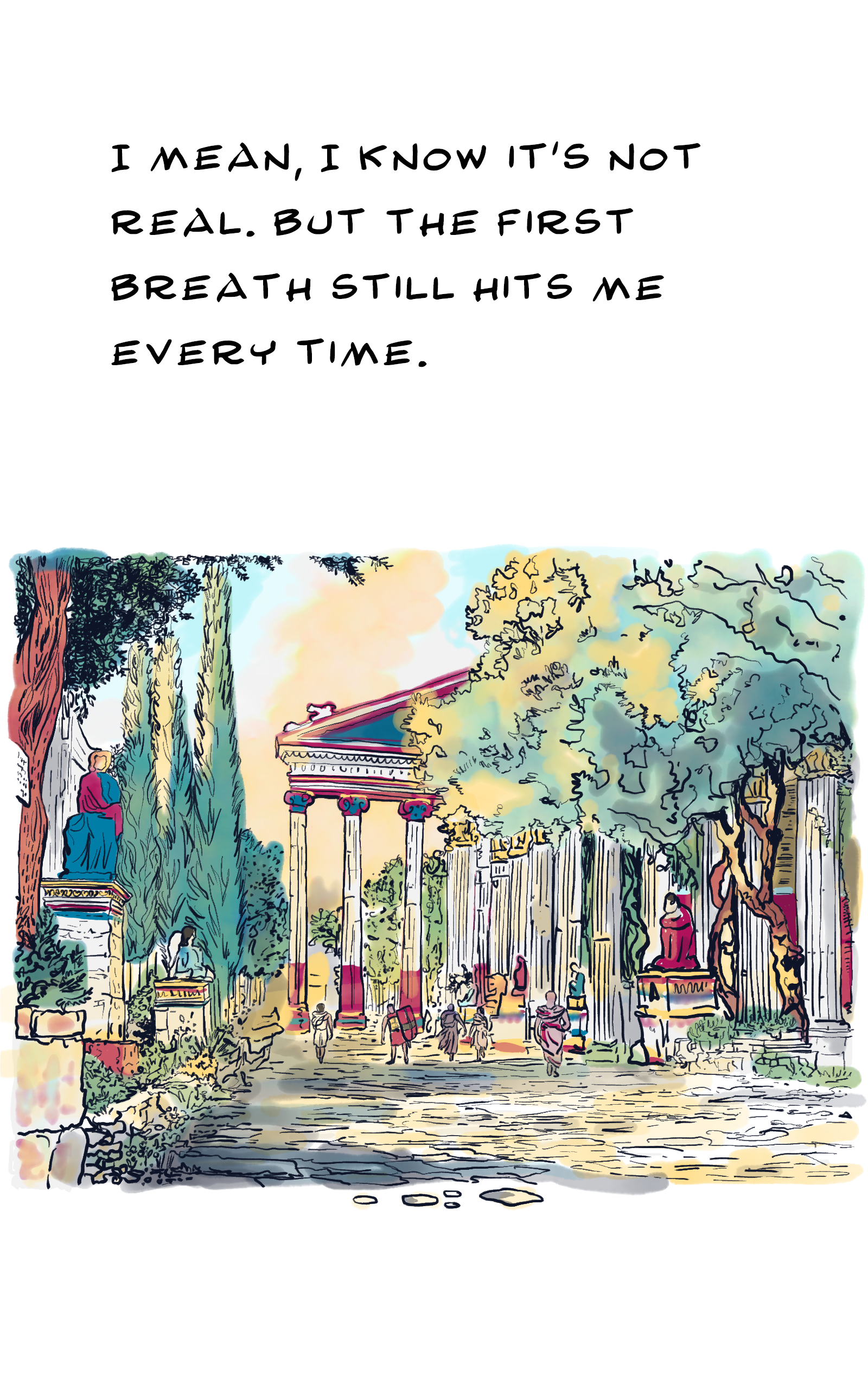
The story is based on a script I wrote for a graphic novel.
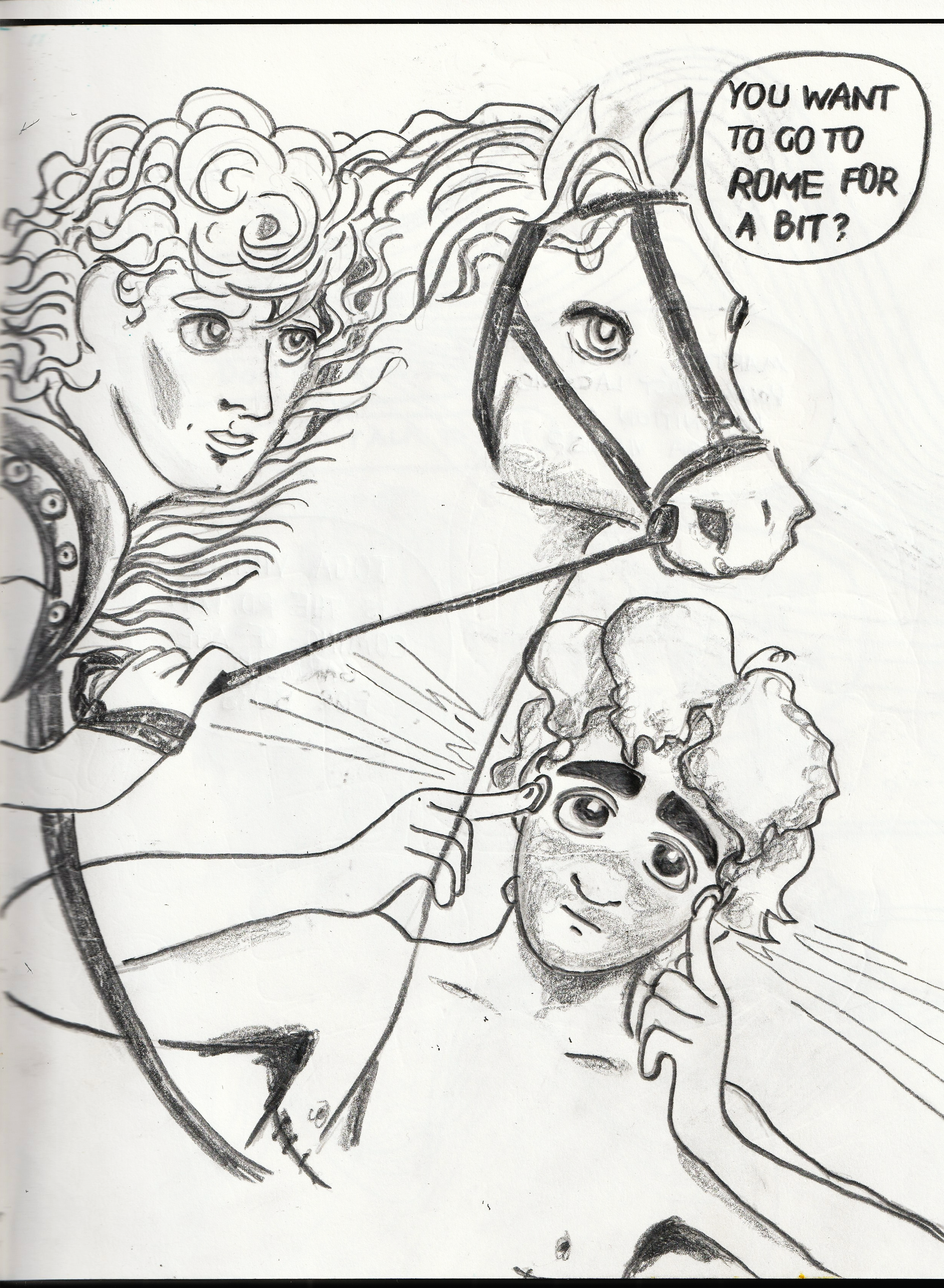
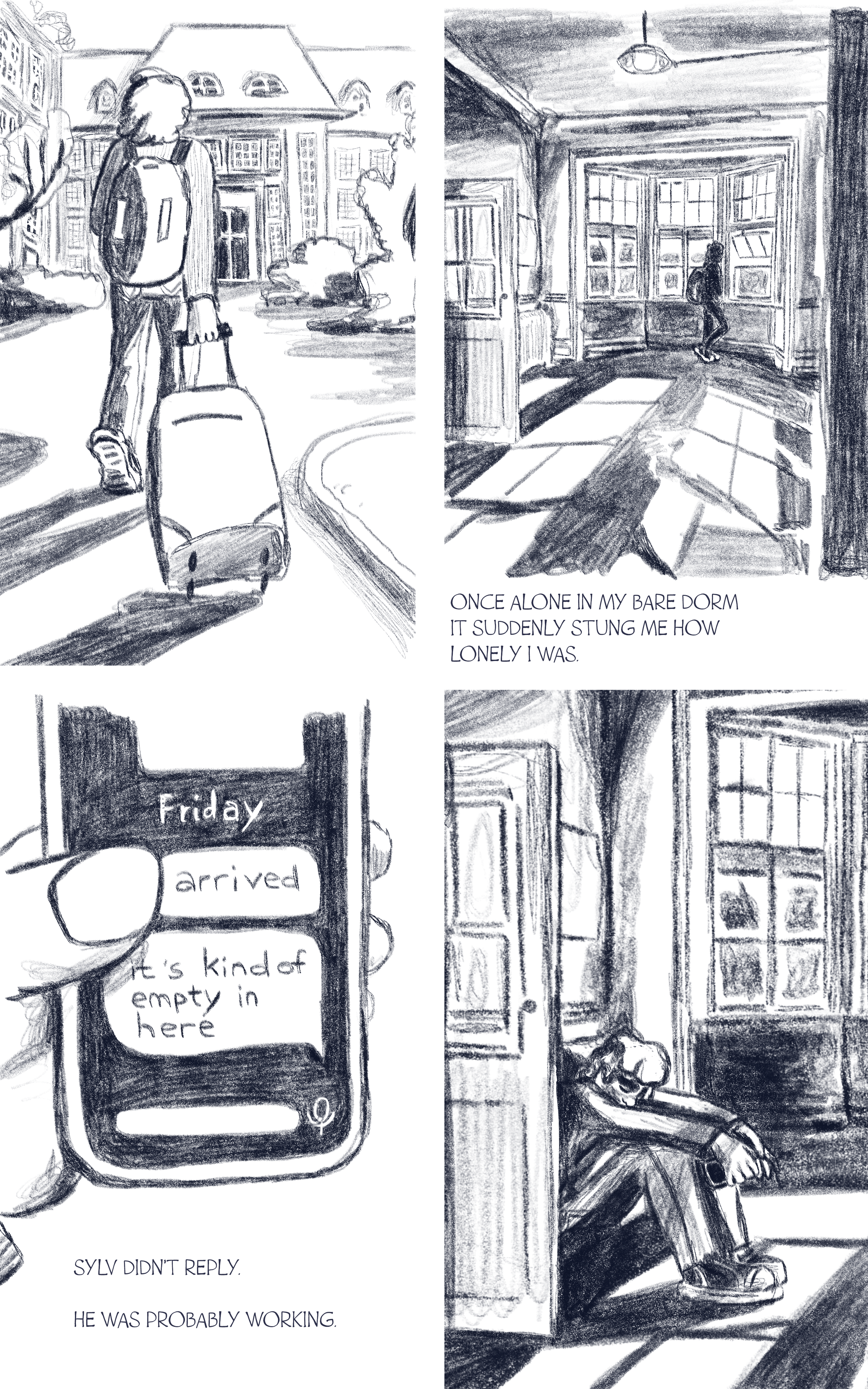
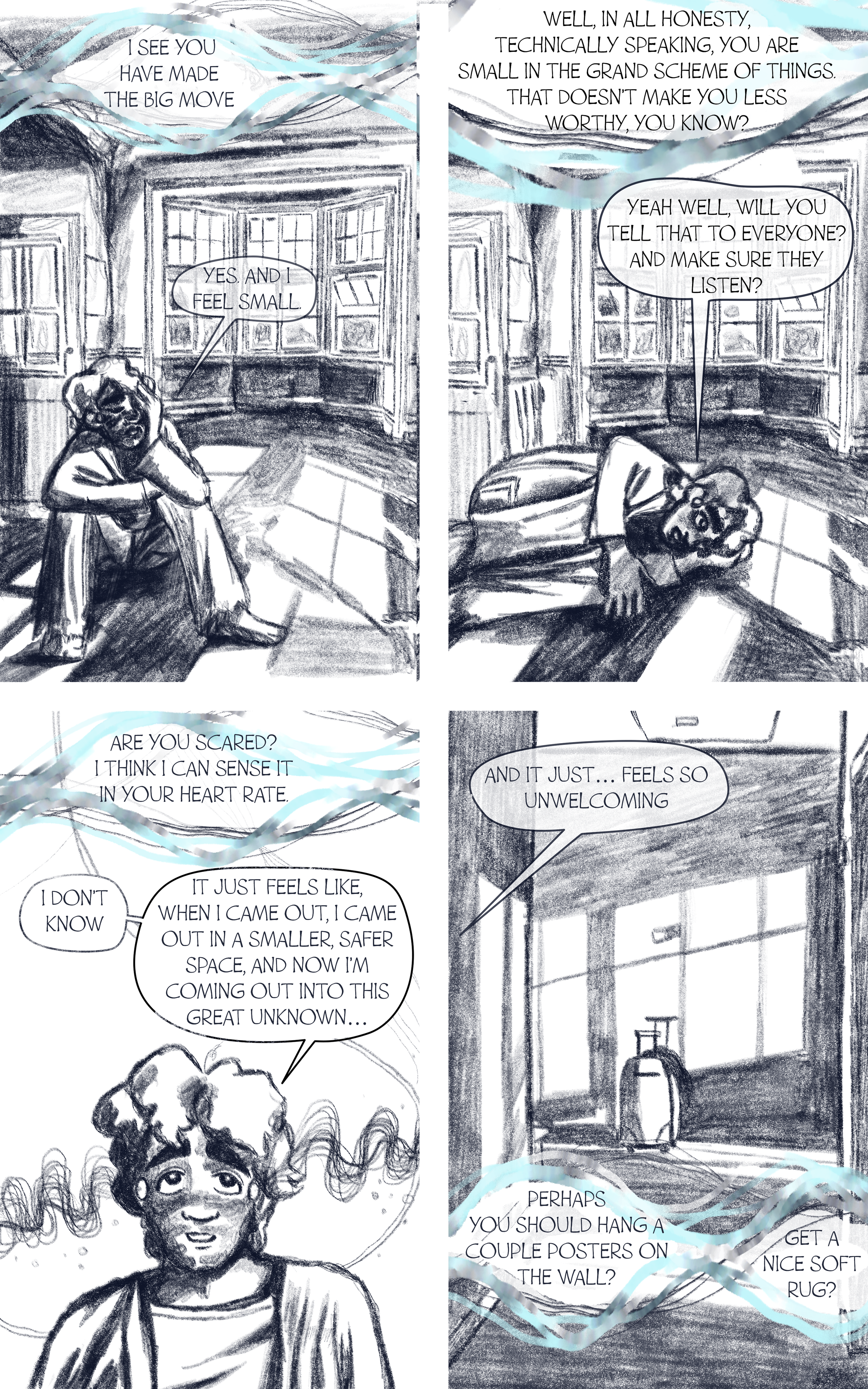
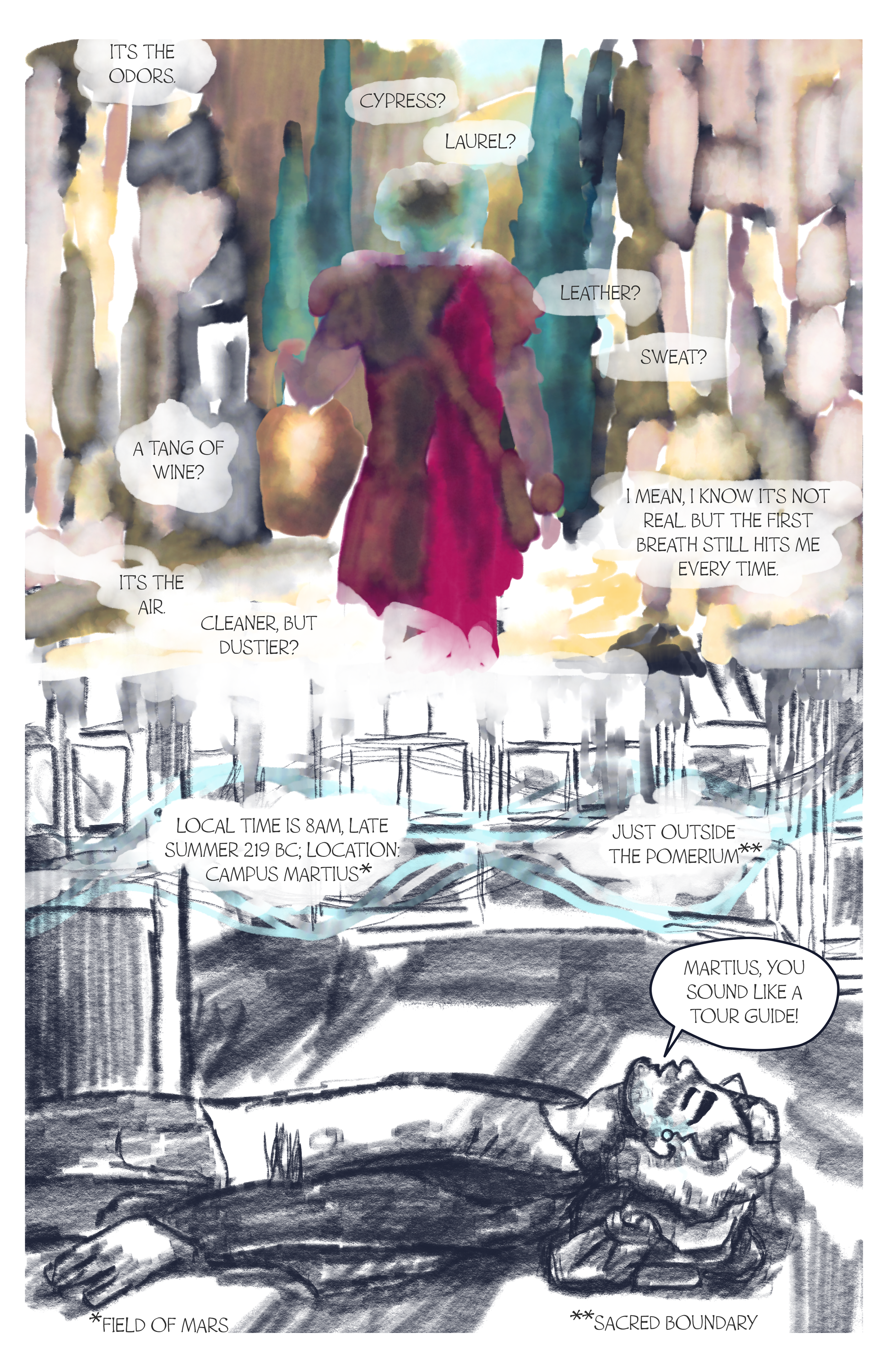
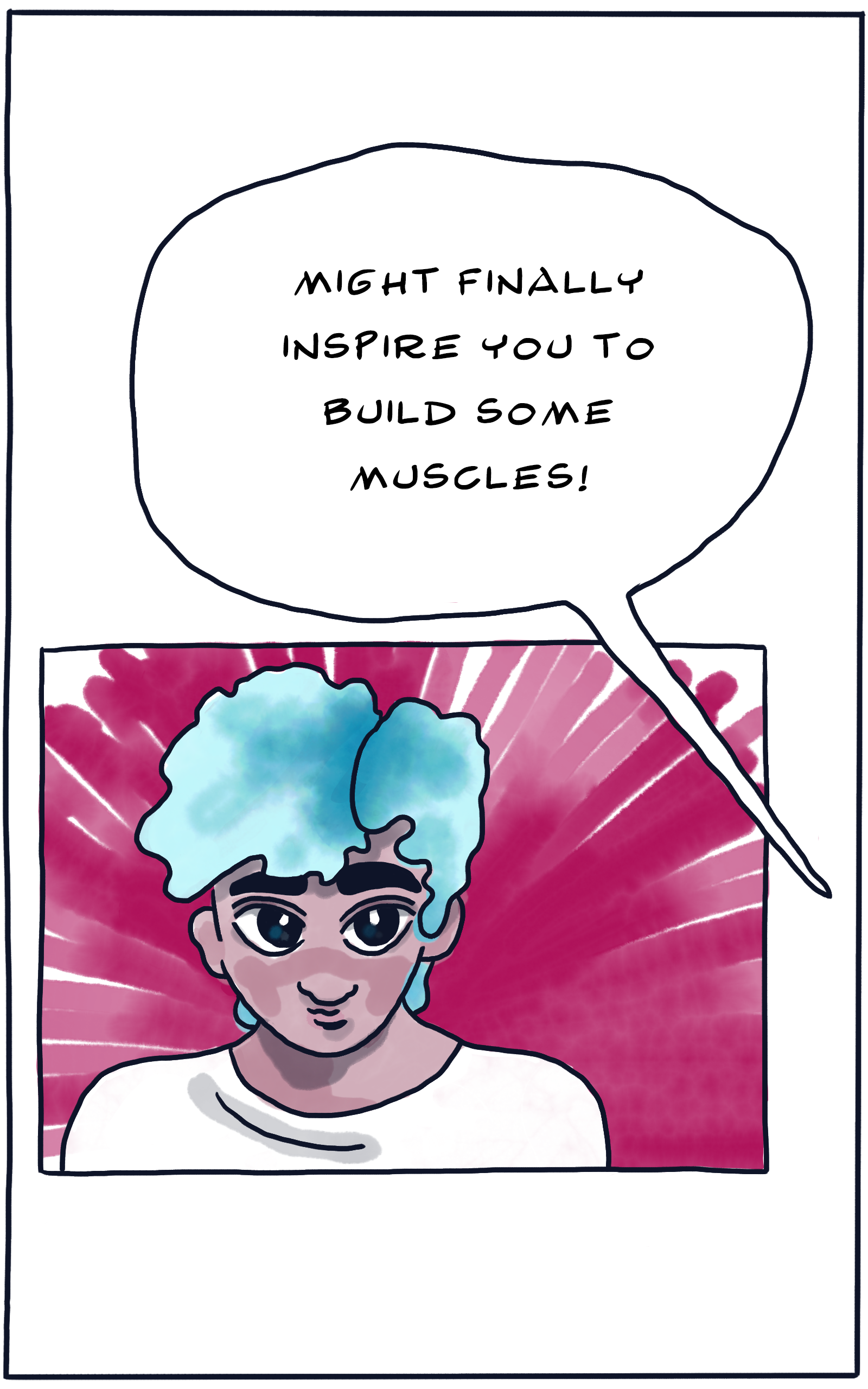
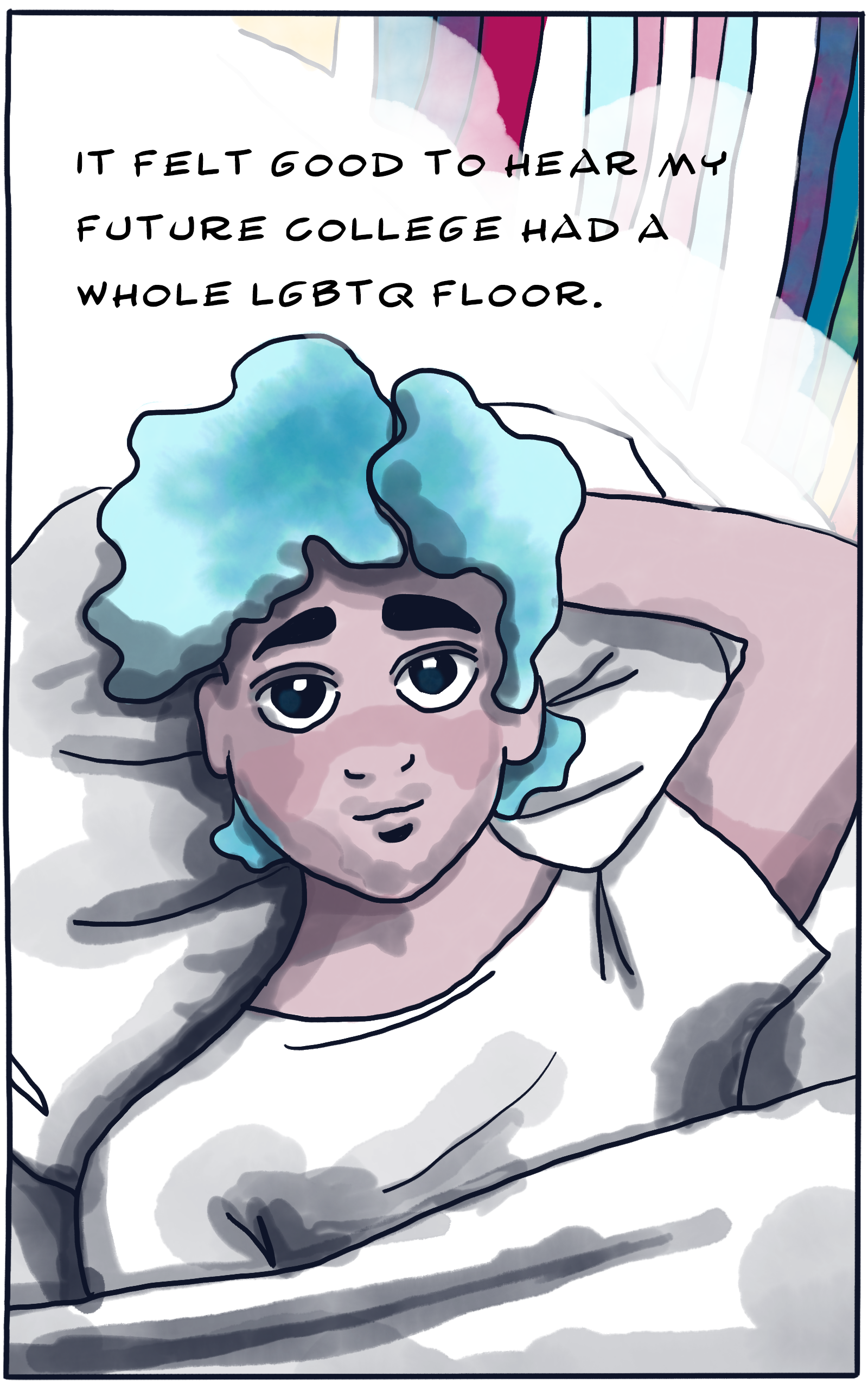
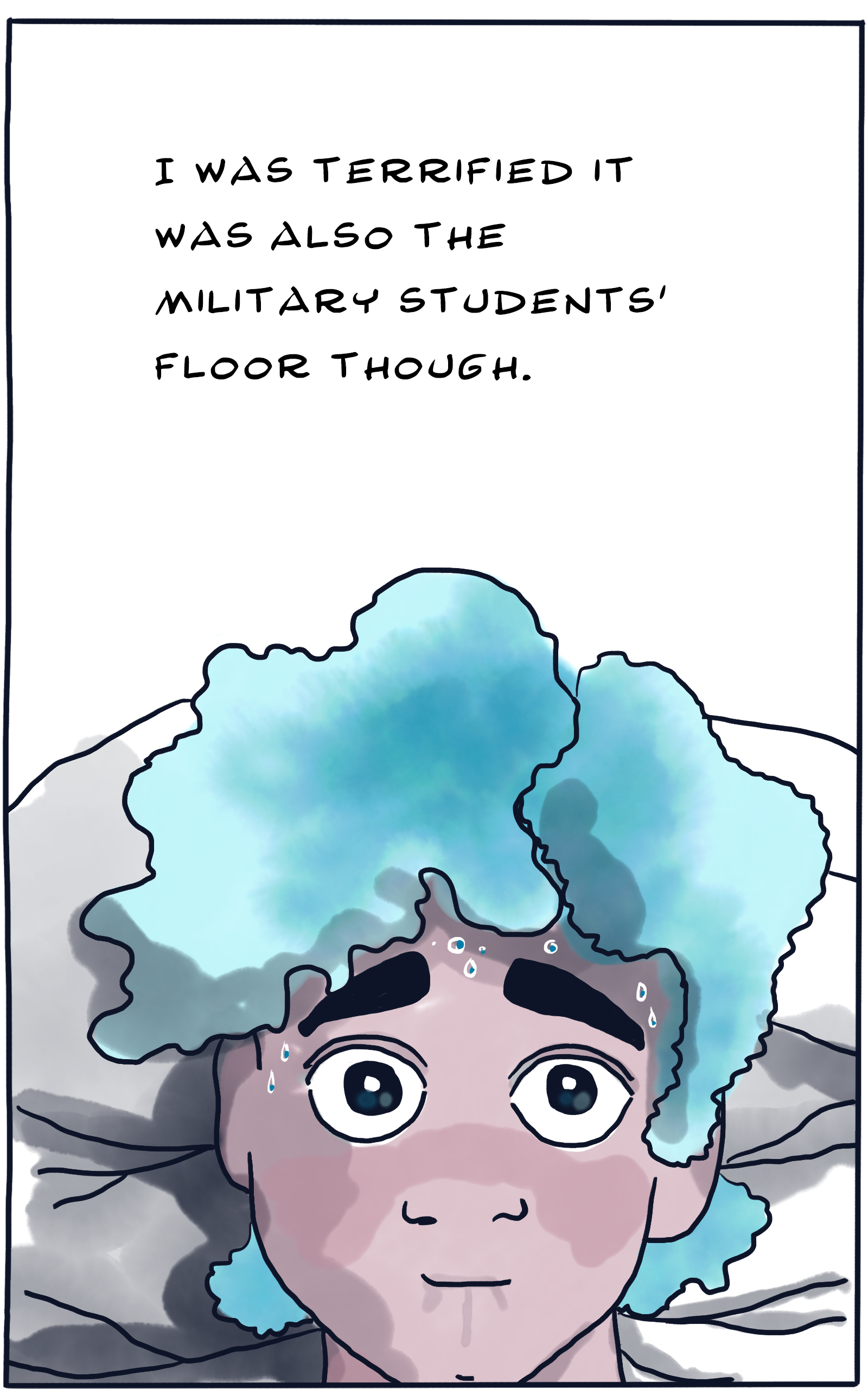
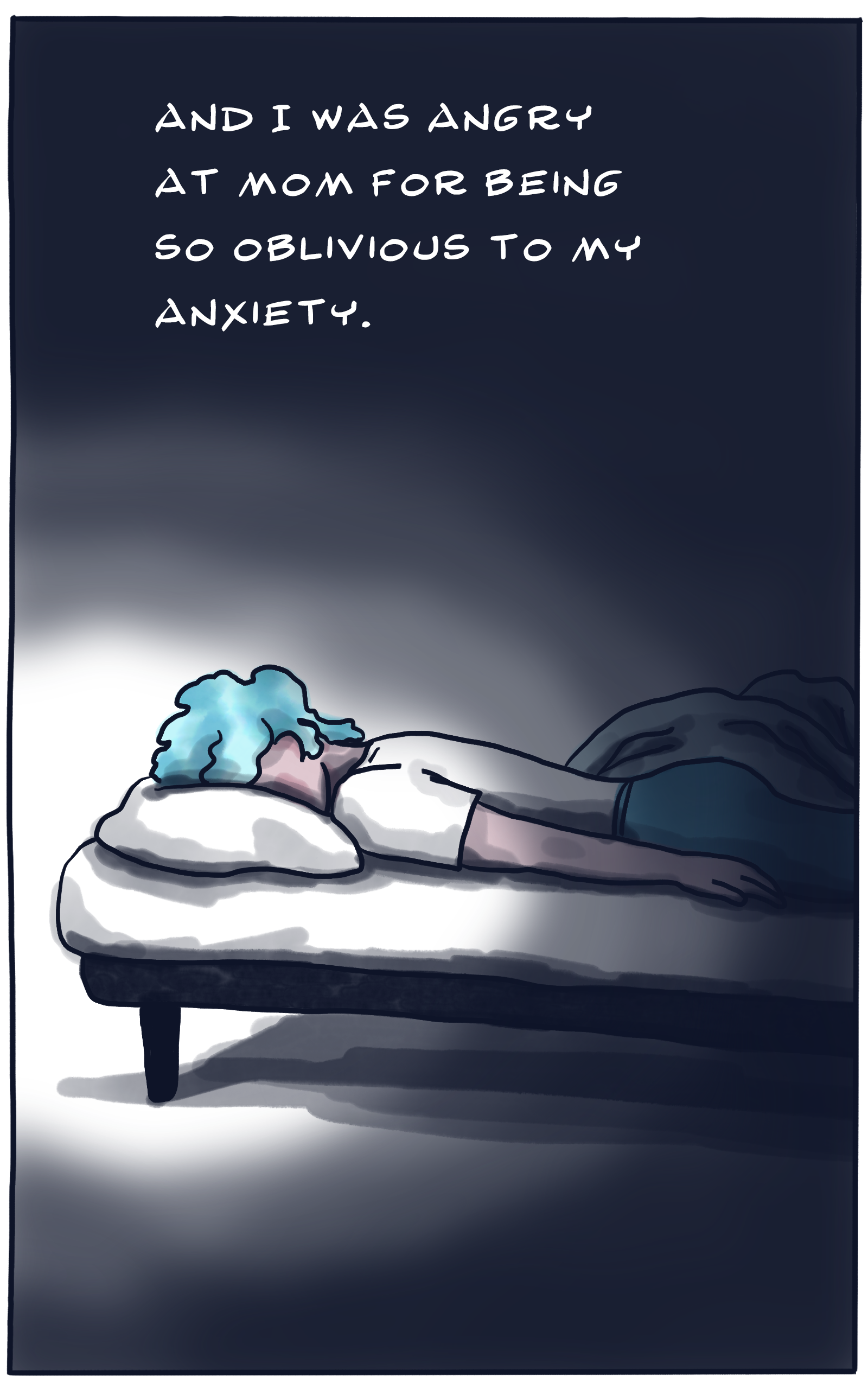
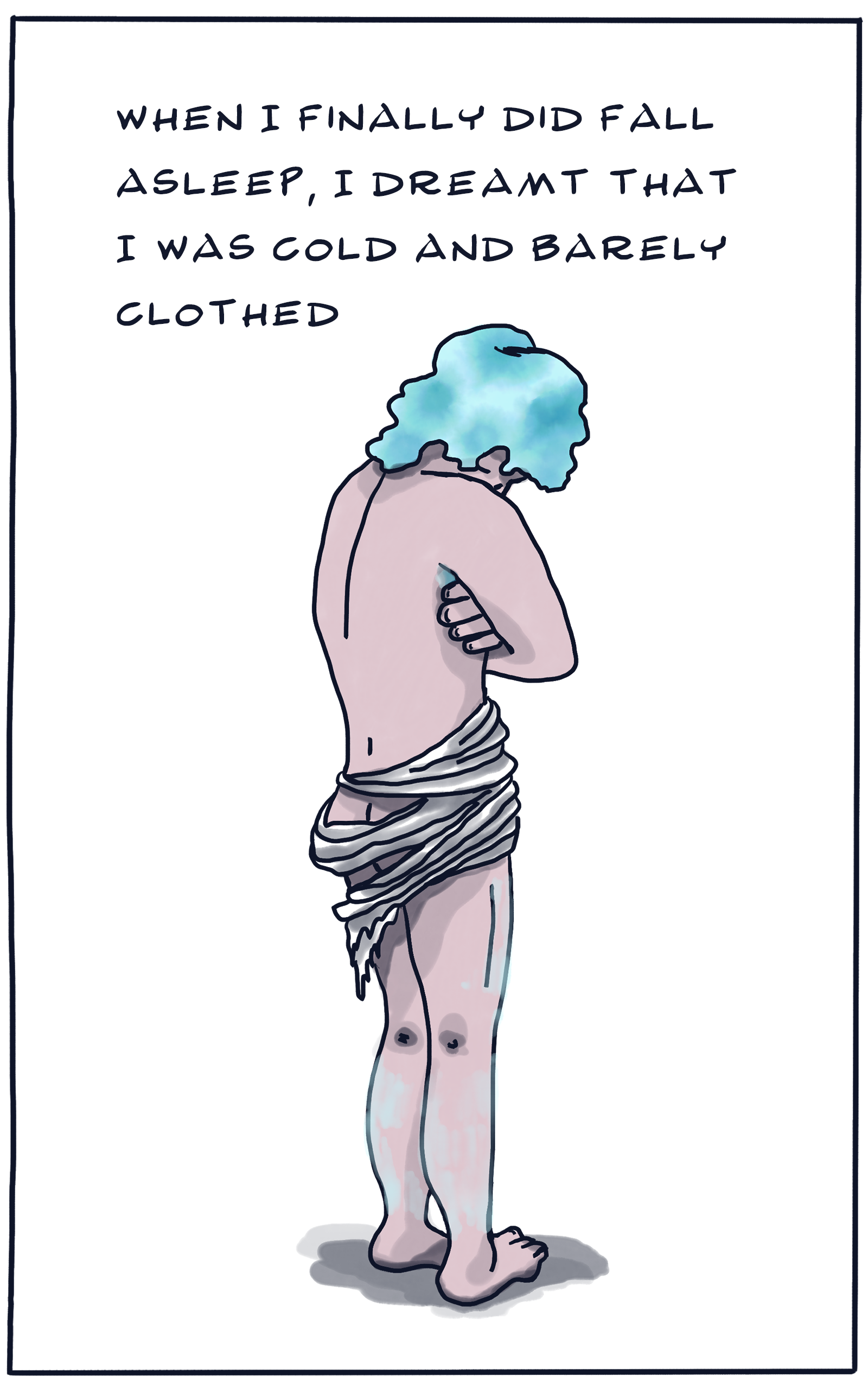
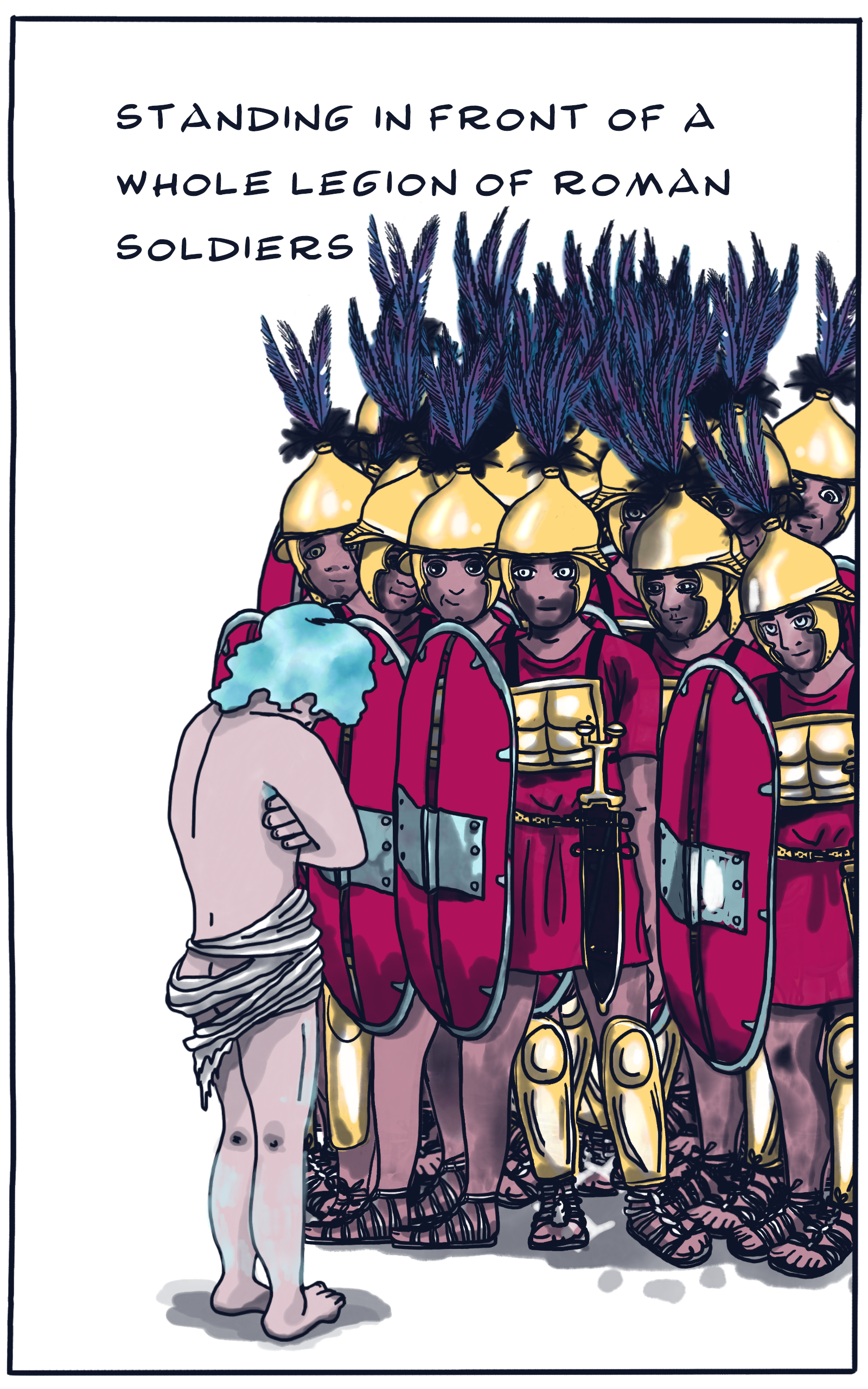
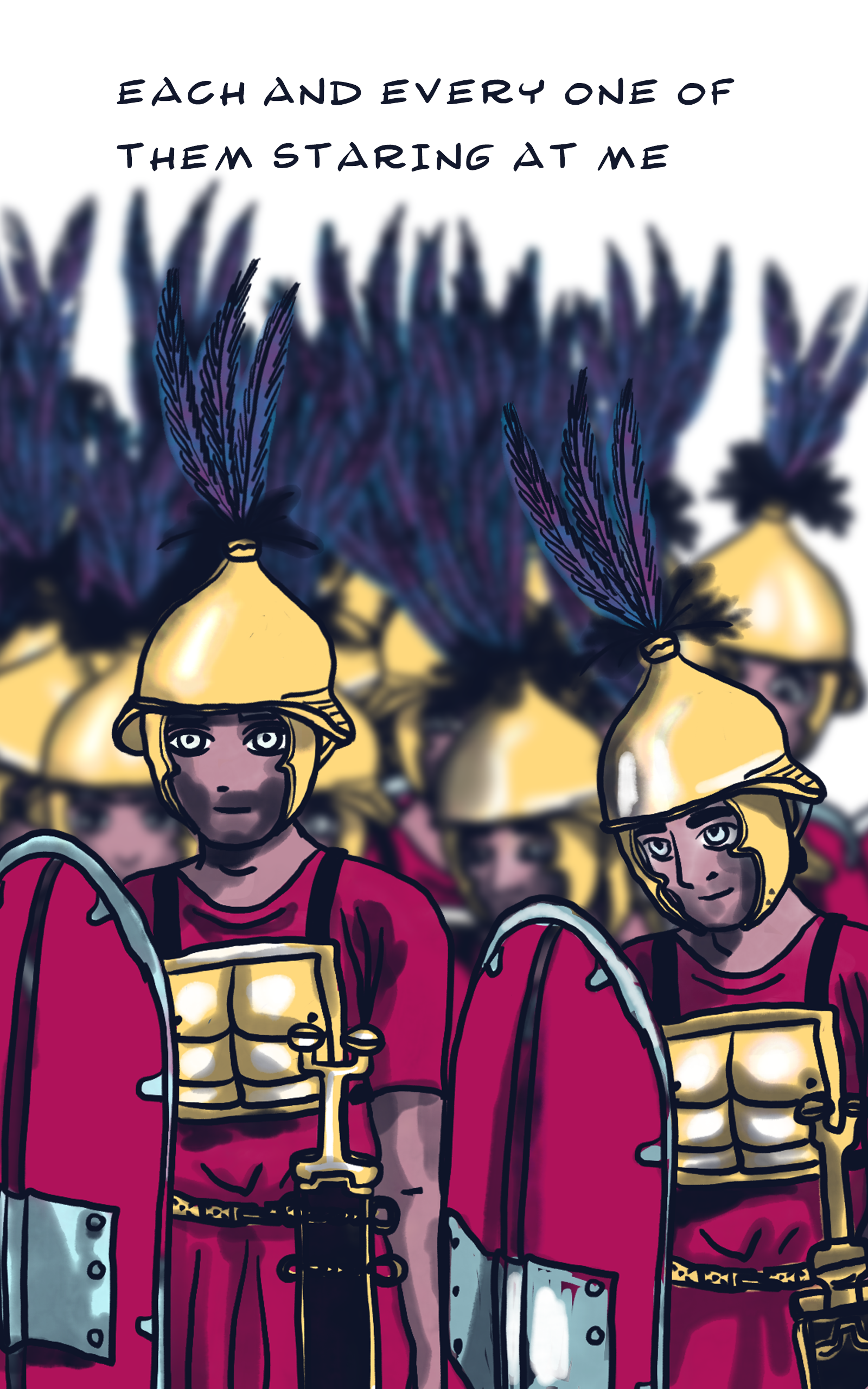
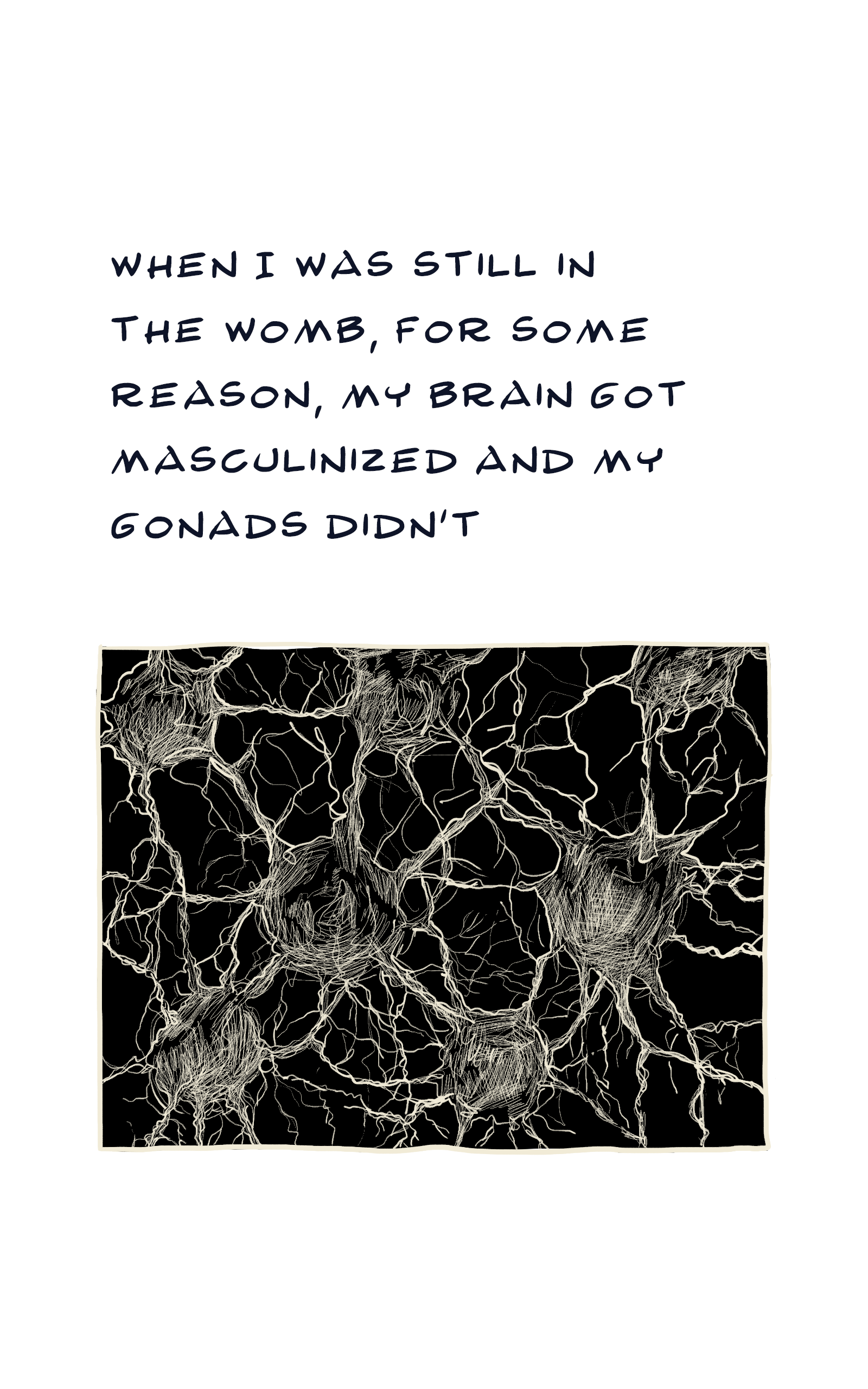
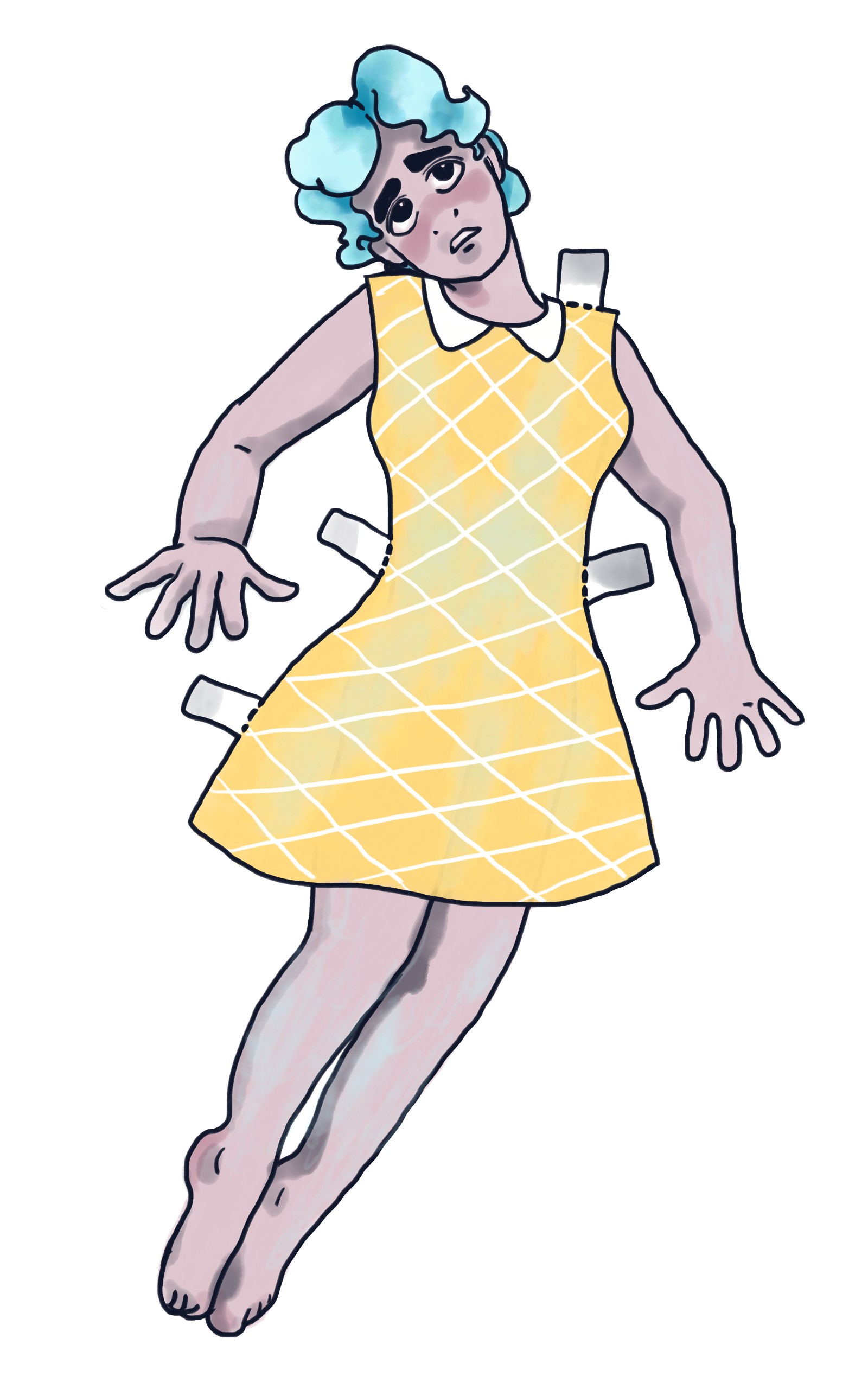
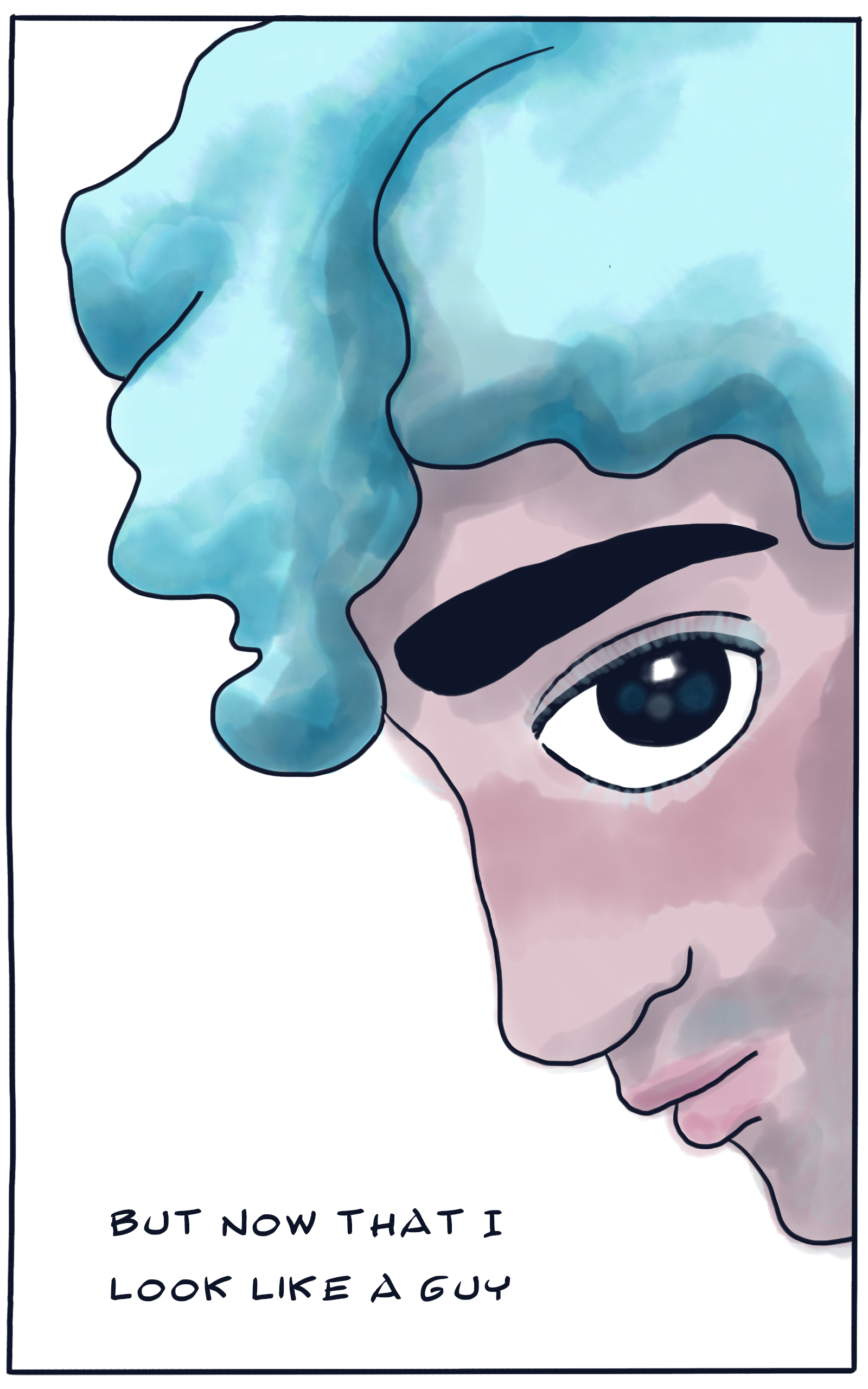
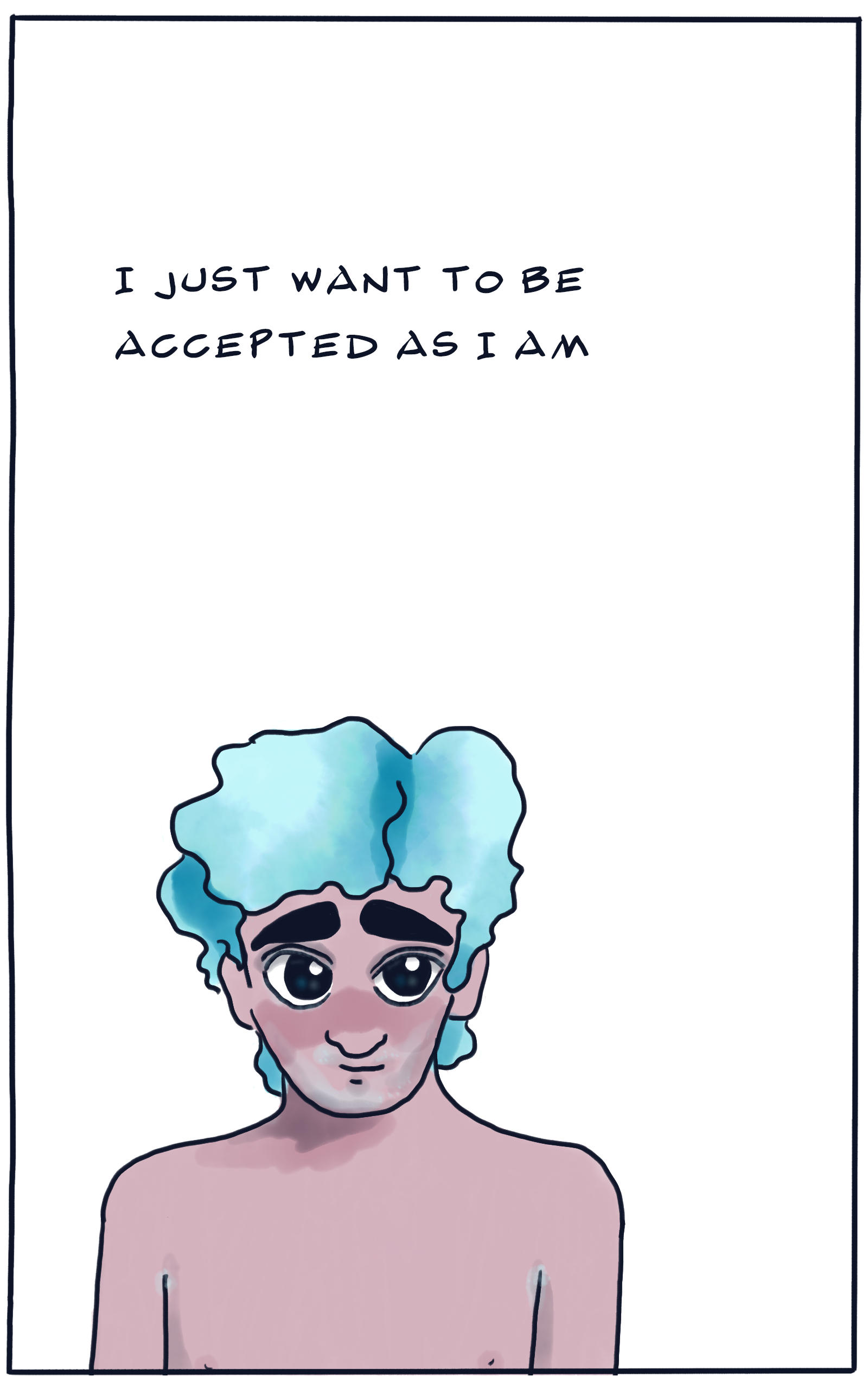
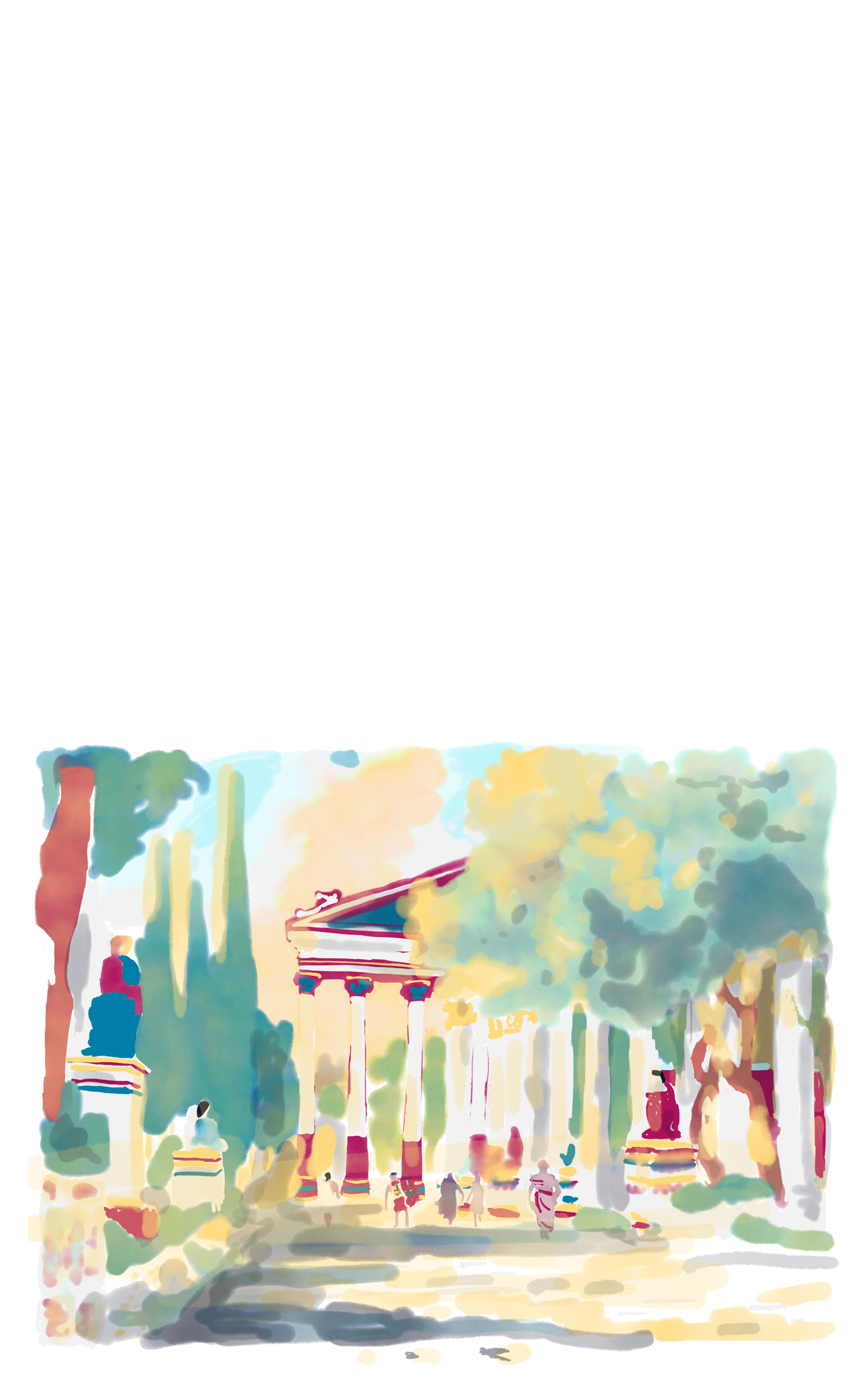
Much of character and set design is based on the sketches and concept pages of the comic, see below:
Current status: Full outline (treatment) completed and registered with the WGA and U.S. Copyright Office. Writing the full feature screenplay in progress.